Shopping Cart


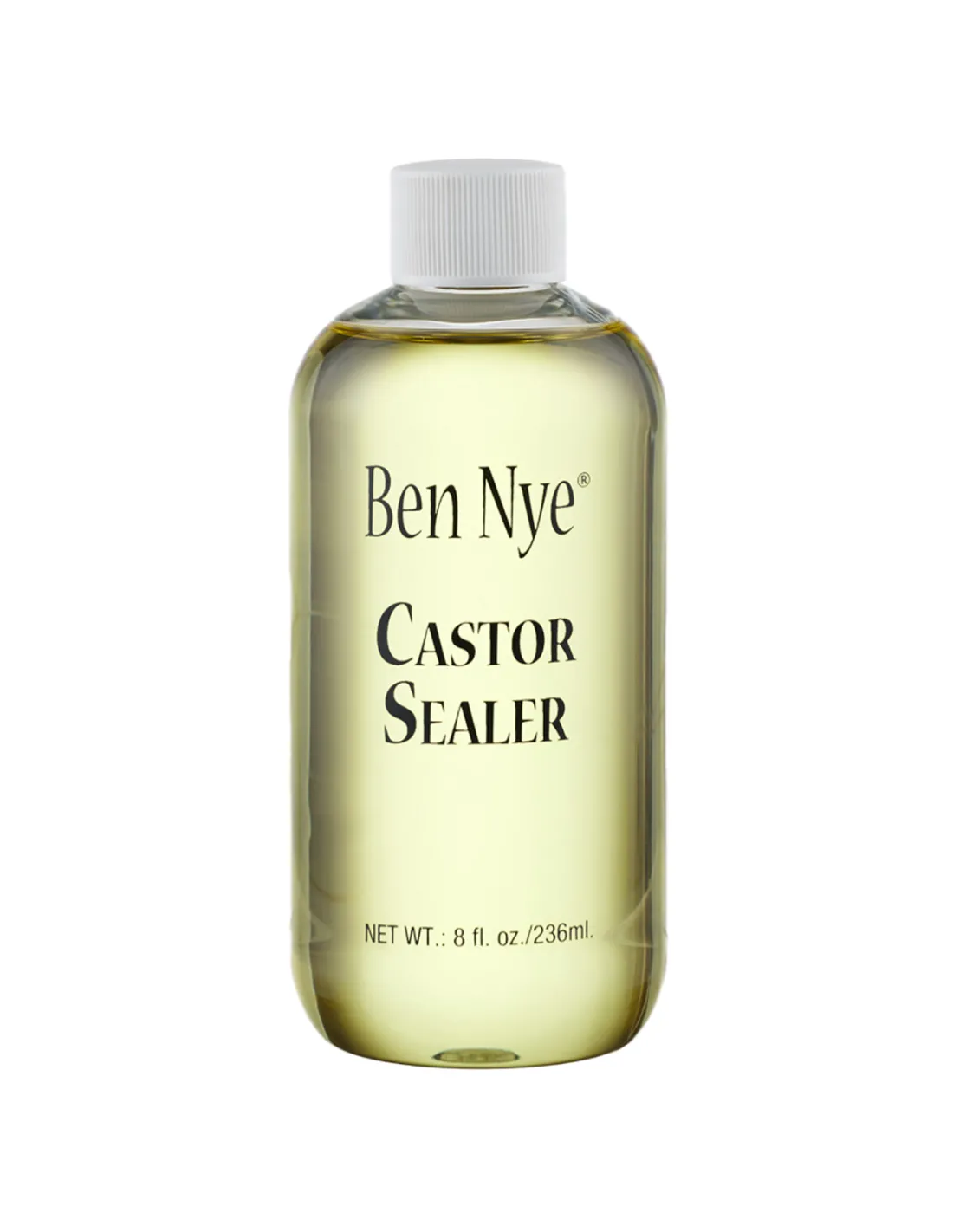
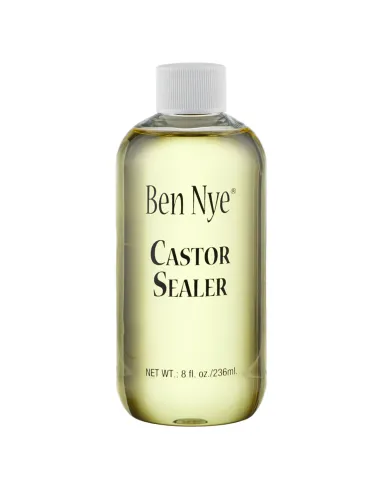
Ben Nye - Castor Sealer KS2 236ml
273002011
€24.00
29,04 € Tax incl.
29,04 € Tax incl.
Translucent castor oil-based sealer for latex prosthetics and porous surfaces. Prevents makeup absorption. 236 ml.
Castor Sealer KS2 by Ben Nye is the go-to sealer for preparing latex prosthetics, appliques, and porous surfaces before applying any cream makeup or alcohol-activated paint. It creates a translucent barrier that prevents pigments from being absorbed into the material, ensuring more saturated, clean, and long-lasting colors on the surface. If you work with prosthetics and want your makeup to perform as it should, this is the step you cannot skip.
Technical specifications
| Feature | Detail |
|---|---|
| Brand | Ben Nye |
| Reference | KS2 |
| Content | 236 ml |
| Base | Castor oil |
| Finish | Translucent |
| Use | Sealer for prosthetics and porous surfaces |
| Compatibility | Latex, silicone, modeling wax, porous materials |
| Application | Brush or sponge |
What it is used for
Castor Sealer KS2 acts as an isolating base coat between the prosthetic or porous material and the makeup. Its primary function is to prevent pigments from being absorbed by the substrate, which would cause colors to appear dull, uneven, or require excessive layers of product. It is essential in any professional SFX makeup workflow.
- Sealing latex prosthetics before coloring them with FX cream makeups or alcohol-activated paints.
- Preparing encapsulated silicone appliques to receive cream makeup.
- Applying over modeling waxes (such as nose wax or bone wax) to create a proper base before coloring.
- Sealing any porous surface that will receive makeup: foam latex, transfer materials, gelatine, etc.
- Using it as a preparatory step before airbrushing makeup over prosthetics.
- Preventing pigment bleed into the substrate in long-duration work.
How to use it
- Make sure the prosthetic or surface is clean, dry, and free of dust or residue.
- Apply a thin, even coat of Castor Sealer KS2 with a soft brush or sponge over the entire area to be made up.
- Allow to dry completely until the surface is no longer tacky to the touch. Drying time varies depending on the thickness of the coat and ambient temperature.
- Once dry, apply FX cream makeup, alcohol-activated paint, or your chosen colorant directly onto the sealed coat.
- If the surface is highly absorbent, you can apply a second thin coat and allow it to dry again before coloring.
- Clean the brush with a suitable solvent for oil-based products after each use.
Usage tips
Thin coats, always
The temptation is to apply a generous coat to ensure sealing, but with Castor Sealer KS2 less is more. Thick coats take much longer to dry and can create an overly oily surface that hinders the adhesion of subsequent makeup. One or two thin, fully dried coats work much better.
Essential over modeling waxes
If you work with waxes to sculpt scars, noses, or bumps, the sealer is absolutely necessary before coloring. Without it, cream makeup does not adhere well to the wax and the result is uneven. With KS2, the wax is prepared to receive any colorant without issue.
Compatibility with alcohol-activated paints and airbrush
Castor Sealer KS2 is compatible with alcohol-activated paints and with airbrush techniques on prosthetics. If you are going to use an airbrush, make sure the sealer coat is completely dry before starting — otherwise the airflow can lift the surface. A few minutes of drying at room temperature is usually sufficient under normal working conditions.
Frequently asked questions
Is it mandatory to seal a prosthetic before applying makeup?
It is not strictly mandatory, but it is highly recommended if you want a professional result. Without sealer, cream makeup is absorbed into the porous material of the prosthetic, causing colors to appear dull and requiring far more product. Castor Sealer KS2 solves this problem in a simple and cost-effective way.
Can it be used on platinum silicone without an encapsulant?
Castor Sealer KS2 can be applied over silicone, but it is important to bear in mind that unencapsulated platinum silicone is a non-porous surface with low adhesion. In that case, the sealer helps create a base coat, although for blending edges and achieving optimal integration with the skin, the ideal approach is to combine the appropriate encapsulant with the sealer before applying makeup.
How long should you wait before applying makeup?
The drying time of Castor Sealer KS2 depends on the thickness of the applied coat and ambient conditions. Generally, with a thin coat at room temperature, a few minutes is usually sufficient. The most reliable way to check is to gently touch the surface: when it is no longer tacky, it is ready for makeup.
Does it alter the color or texture of the prosthetic?
No. Castor Sealer KS2 has a completely translucent finish, so it does not modify the tone or visual appearance of the prosthetic. It also does not add any noticeable sheen that would compromise the matte finish of subsequent makeup.
What type of makeup is it compatible with?
It is compatible with FX cream makeup, alcohol-activated paints, water-based airbrush paints, and pigmented powders. It is used specifically as a base so that these products adhere correctly to the prosthetic or sealed porous material.
Can it be used directly on skin?
Castor Sealer KS2 is formulated for use on prosthetics and SFX materials, not directly on skin as a makeup sealer. For skin sealing there are specific long-wearing makeup products better suited for that purpose.
How do you clean the brush after use?
As this is a castor oil-based product, the brush must be cleaned with a suitable solvent for oil-based products or with isopropyl alcohol, not with water alone. A thorough cleaning process extends the life of your brushes and prevents the sealer from curing within the bristles.
How many applications does the 236 ml size provide?
Since Castor Sealer KS2 is applied in thin coats, the 236 ml size yields a large number of applications. The exact amount depends on the size of the prosthetic and the number of coats applied, but it is a generous size designed for continuous professional use on film sets, theatre, or special effects productions.
No reviews
Tap to zoom