Shopping Cart


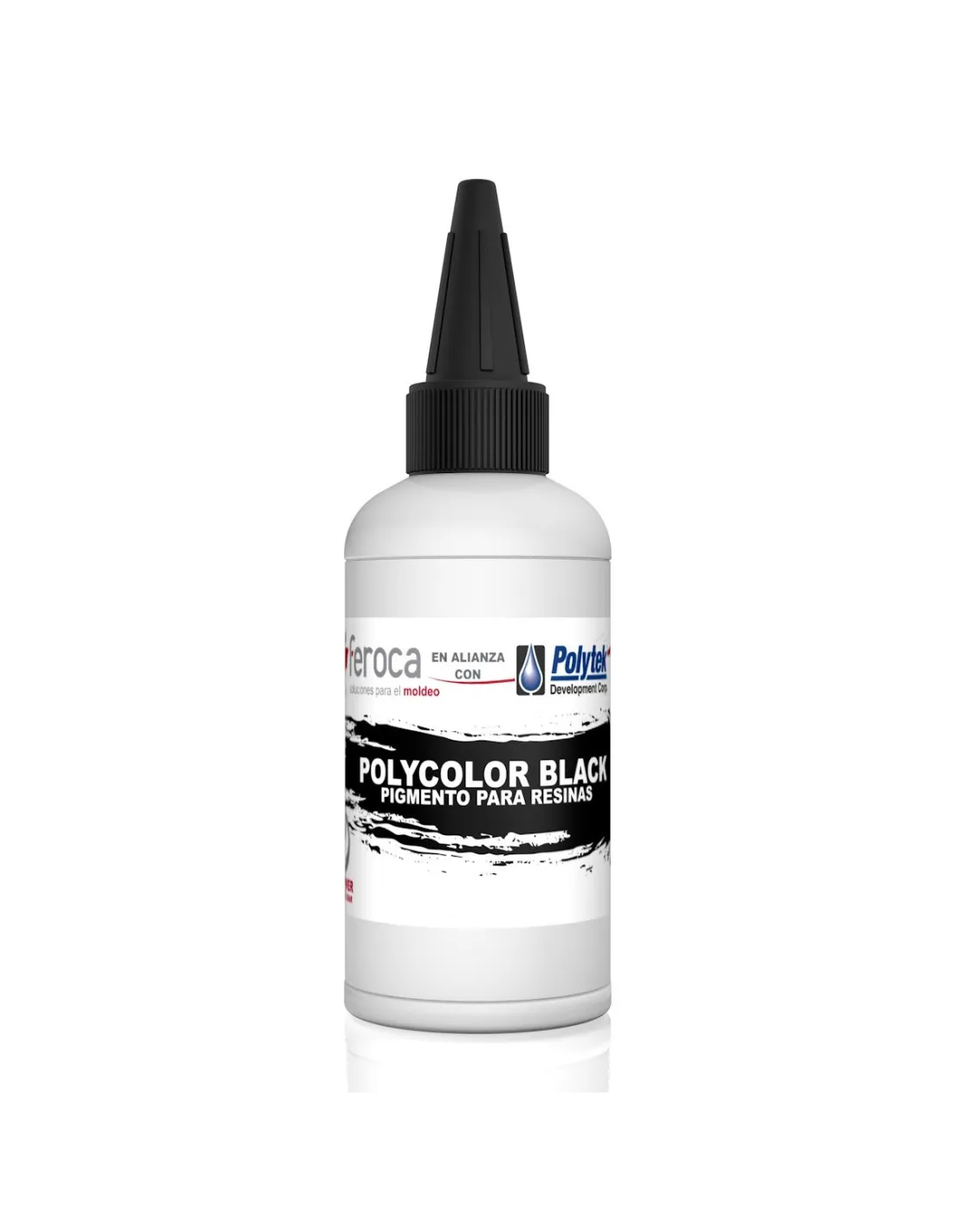
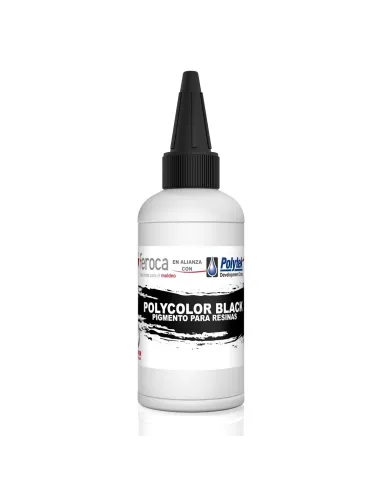
PolyColor Dyes 56gr. can. -Special pigments for polyurethane
638005002
€19.00
22,99 € Tax incl.
22,99 € Tax incl.
Oil-based liquid dyes for polyurethane. Highly concentrated, excellent dispersion. Recommended dose: 0.5% by total weight. 56 gr jar.
PolyColor Dyes are oil-based liquid dyes formulated specifically for polyurethane systems: rubbers, resins and foams. They are highly concentrated, meaning a minimal amount colours large volumes of material with excellent dispersion and colour consistency. They are not compatible with silicones or polyester resins.
Technical specifications
| Format | 56 gr jar |
|---|---|
| Base | Oil |
| Recommended dose (general) | 0.5% by total weight of polyurethane |
| Maximum dose (white and flesh tone) | Up to 2% by total weight of mixture |
| Compatibility | Polyurethane rubbers, polyurethane resins, polyurethane foams |
| Incompatibility | Silicones, polyester resins |
| State | Liquid |
What it is used for
PolyColor Dyes are designed to mass-colour any polyurethane system before pouring or application. They allow you to achieve solid colours, tinted transparencies or special effects depending on the amount used and the type of base polyurethane. They are especially useful when working with clear resins such as EasyFlo Clear, designed specifically to be pigmented.
- Colouring polyurethane rubbers for moulds and flexible parts
- Pigmenting rigid or semi-rigid polyurethane resins for rotomoulding and casting
- Tinting rigid and flexible polyurethane foams
- Creating dramatic colour effects or soft tones by adjusting the dose
- Achieving coloured transparencies in clear resins
- Production of decorative pieces, props, special effects and prosthetics
- Colouring functional polyurethane parts in short runs
How to use it
- Shake or stir the jar thoroughly before use to homogenise the pigment, as it may settle over time.
- Weigh the total polyurethane you are going to prepare (component A + component B) to calculate the correct pigment dose.
- Add the pigment to component A (polyol) before mixing with component B (isocyanate). The standard dose is 0.5% by total weight of the mixture.
- For white and flesh tones, you can add up to 2% of the total weight. Do not exceed these doses to avoid curing problems.
- Mix component A with the pigment until you obtain a uniform, streak-free colour.
- Add component B and mix the complete system according to the instructions of the polyurethane you are using.
- Pour, rotate or apply the pigmented material following the standard process for the base product.
Important — Dose and compatibility: Do not exceed the recommended dose. An excess of pigment can interfere with the curing of the polyurethane and result in soft or poorly cured parts. These pigments are NOT suitable for silicones or polyester resins; for these systems use specific pigments compatible with each family.
Usage tips
Always do a colour test first
The colour of the pigment in the jar does not always match exactly the final result in the cured part. The shade may vary depending on the type of polyurethane, the opacity of the system and the amount of pigment used. Always carry out a small test with a few grams before pigmenting a large casting. If you are looking for a translucent effect, work with clear resins such as EasyFlo Clear and low pigment doses.
Always mix the pigment into component A
Always add the PolyColor Dye to component A (polyol) and mix it thoroughly before incorporating component B. This ensures homogeneous dispersion throughout the mass and avoids streaks or unpigmented areas. Never add the pigment to component B or directly to an already-started mixture, as working time is reduced and you will not achieve uniform dispersion.
Storage and preservation
Close the jar tightly after each use. Store the pigment in a cool, dry place away from direct light. Before each session, stir the contents thoroughly even if it appears homogeneous, as the oil base can separate over time. A well-stirred pigment guarantees consistent results from one use to the next.
Frequently asked questions
How much pigment should I add to colour my polyurethane?
The standard dose of PolyColor Dyes is 0.5% by total weight of the polyurethane mixture. For example, if you prepare 1000 gr of polyurethane, add approximately 5 gr of pigment. For white and flesh tones you can go up to 2%. Do not exceed these amounts: an excess can interfere with curing.
Can I use these pigments with silicone?
No. PolyColor Dyes are oil-based pigments compatible exclusively with polyurethane systems. They are not suitable for silicones. To pigment silicones you must use pigments specifically formulated for that system.
Are they compatible with polyester or epoxy resins?
They are not compatible with polyester resins. For those systems there are specific pigments in paste format. As for epoxy resins, they are not formulated for that system either; check the appropriate pigments for epoxy in our catalogue.
At what point in the process do I add the pigment?
Always before mixing the two components of the polyurethane. The correct method is to add the PolyColor Dye to component A (polyol), stir until you obtain a uniform colour, and then incorporate component B to start the reaction. This guarantees maximum colour dispersion.
Is the colour of the pigment in the jar the final colour of the part?
Not necessarily. The final shade depends on the amount of pigment used, the type of polyurethane (opaque, translucent, foamed) and the thickness of the part. Always carry out a small-scale test to adjust the shade before a final casting.
Can I mix several colours together to obtain custom shades?
Yes. PolyColor Dyes can be mixed together to create custom colours. Apply the same dosing rules: the total sum of all pigments must not exceed the maximum recommended percentage to avoid curing problems.
Does it work with all polyurethane foams?
Yes, PolyColor Dyes are compatible with polyurethane foams, both rigid and flexible. You can use them with products such as EasyFoam 300 (rigid foam) or EasyFlex 60 (flexible foam). Bear in mind that in foams the final colour may differ from that obtained in solid resins.
How many parts can I colour with a 56 gr jar?
At a standard dose of 0.5%, a 56 gr jar is enough to pigment 11.2 kg of polyurethane. The actual amount will depend on the shade you want to achieve: more intense colours require more pigment, while soft or translucent tones need less. The yield is very high thanks to the product's high concentration.
No reviews
Tap to zoom