Shopping Cart


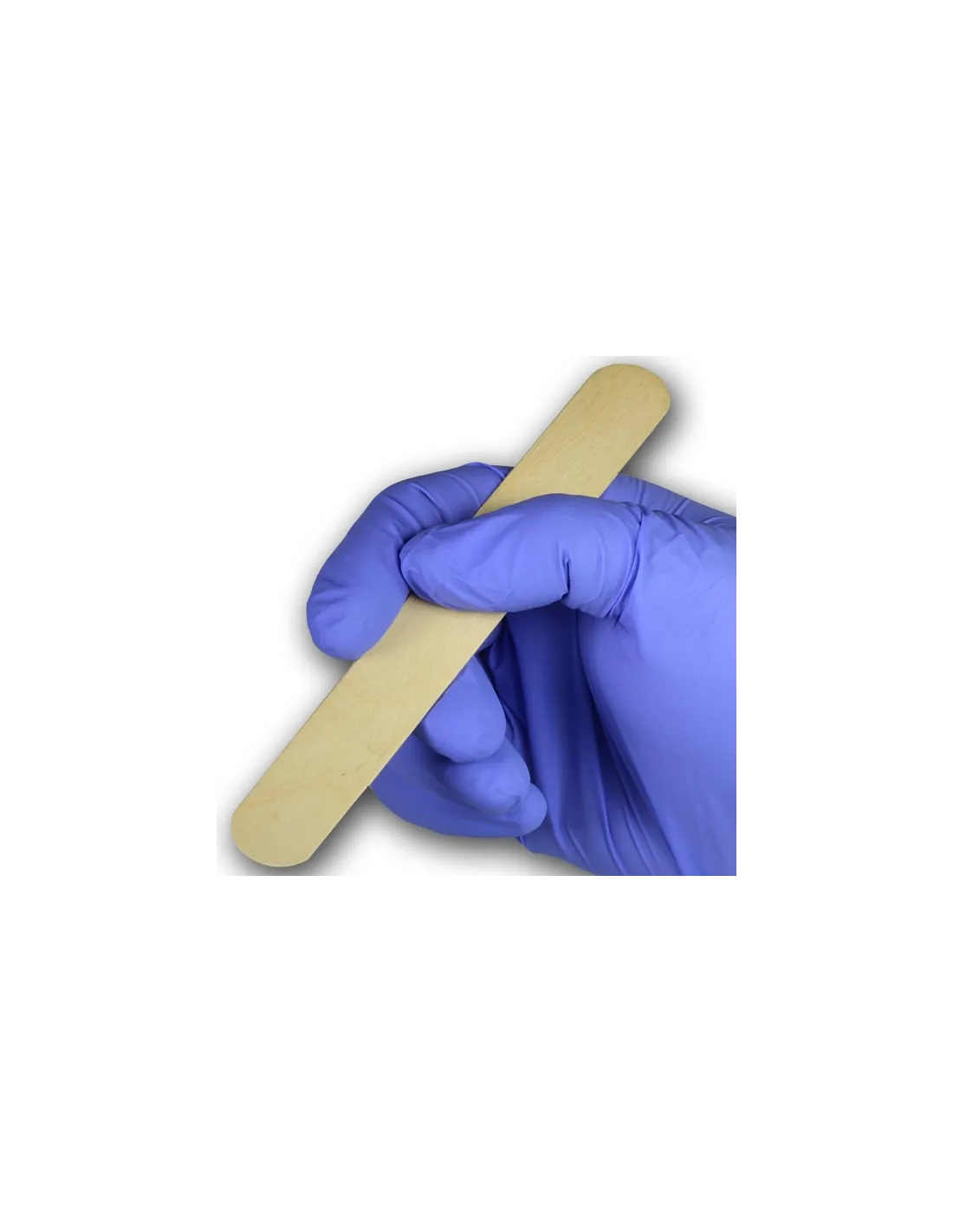
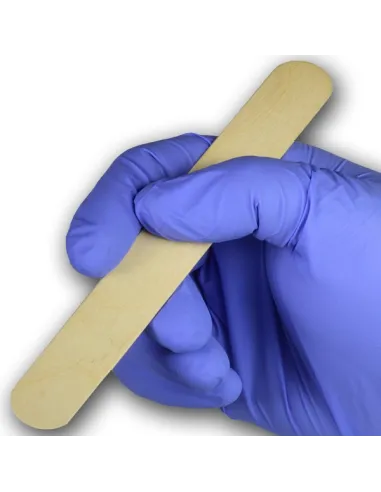
Small wooden spatula (100 pcs.) Depressor.
206801000
€4.50
5,45 € Tax incl.
5,45 € Tax incl.
Wooden spatulas (craft sticks) for mixing resins and silicones. Compatible with platinum silicones. Box of 100 units, 15 cm.
Wooden spatulas (craft sticks / tongue depressors) are the basic and essential tool in any moulding, casting or laminating workshop. Their natural wood composition makes them fully compatible with platinum silicones (addition cure), as they contain no inhibiting compounds — unlike other materials that can ruin the cure. Supplied in a box of 100 units, 15 cm long.
Technical specifications
| Material | Natural wood |
|---|---|
| Length | 15 cm |
| Format | Box of 100 units |
| Compatibility | Platinum silicones, tin silicones, epoxy resins, polyurethane resins, polyester and similar |
| Use | Manual mixing and stirring of liquid or paste materials |
What they are used for
These spatulas are the most widely used mixing tool in moulding workshops, special effects and composite manufacturing. Their flat geometry and sufficient rigidity to stir viscous materials make them a versatile and disposable utensil, eliminating the risk of cross-contamination between materials.
- Mixing platinum and condensation silicones in their correct proportions
- Stirring and homogenising epoxy, polyurethane and polyester resins
- Incorporating pigments, fillers and additives into liquid matrices
- Spot application of adhesives or paste materials in hard-to-reach areas
- Mixing plaster, gypsum and ceramic casting materials
- Use in 3D printing post-processing to mix filling or finishing resins
- Any task requiring a disposable tool to avoid contamination
How to use
- Weigh or measure out the components of the material to be mixed into a clean, dry container. For precise ratios, use a precision scale.
- Insert the wooden spatula into the container and begin mixing with circular and scraping movements along the walls.
- Make sure to thoroughly incorporate the material from the walls and bottom of the container to avoid unmixed areas that may remain uncured.
- If you need to incorporate pigments or other fillers, add them during mixing and continue stirring until a uniform colour and texture are achieved.
- Pour or apply the mixed material according to the required technique (casting into a mould, laminating, etc.).
- Discard the used spatula. Being wood, reuse is not recommended if there may be traces of cured material that could contaminate the next mix.
Usage tips
Use with platinum silicones
Natural wood contains no sulphur, tin or other compounds that inhibit the cure of addition (platinum) silicones. It is the safest option for these materials compared to spatulas of other origins. Avoid reusing the same spatula if it has previously been in contact with sulphur-based clays, latex or other potentially inhibiting materials, as wood is porous and can retain residues.
Avoid cross-contamination
One of the main advantages of these spatulas in the 100-unit format is being able to use a clean spatula for every batch. In projects involving several different materials (for example, silicone and resin in the same process), use a different spatula for each one. The low cost per unit makes disposal the most practical and safe option.
Effective mixing in narrow containers
The flat, thin profile of the craft stick allows you to scrape the walls and bottom of narrow mixing cups effectively. For wide-mouth containers or large volumes, consider supplementing with a casting ladle for the subsequent pour. For very precise A/B component dosing, a dosing syringe makes measurement easier before mixing.
Frequently asked questions
Are wooden spatulas compatible with all types of silicone?
Yes. Natural wood spatulas do not inhibit the cure of any type of silicone — neither platinum (addition) nor tin (condensation). They are the standard choice in workshops working with platinum silicones precisely because of their harmlessness towards the catalysts of this system.
Can these spatulas be reused?
It is not recommended. Wood is porous and retains residues of cured material that are difficult to remove completely. Reusing a spatula can introduce contamination into the next mix — especially critical with platinum silicones, where small traces of inhibiting compounds can ruin the cure. With 100 units per box, the cost of using a new spatula each time is minimal.
What container size can be mixed with these spatulas?
At 15 cm in length they are suitable for mixing cups of approximately 100 ml to 1 litre. For larger volumes, the lever arm is insufficient and mixing becomes uncomfortable. In those cases it is preferable to use longer spatulas or a mechanical mixer.
Are they suitable for mixing polyurethane and epoxy resins?
Yes. They work perfectly for mixing epoxy, polyurethane and polyester resins in small quantities. Bear in mind that some polyurethane resins are very sensitive to moisture, and wood may contribute trace amounts of ambient humidity. For materials that are particularly critical in this regard, make sure the spatulas are dry and stored in a controlled environment.
What tools complement these spatulas in a moulding workflow?
In a typical moulding process, wooden spatulas are complemented by a precision scale for weighing components, a syringe for dosing small amounts of catalyst or colorant, and a casting ladle for pouring the material into the mould without spills.
Are they suitable for working with 3D printing post-processing materials?
Yes. For mixing filling resins, primers or finishing materials in 3D printing projects, these spatulas are perfectly suitable. They are commonly used alongside specific post-processing tool kits to prepare small-volume mixes.
How much material can be mixed with a single spatula?
It depends on the viscosity of the material. For fluid materials (low-viscosity silicones, casting resins) a single spatula is sufficient for mixes of up to 500–800 g comfortably. For thicker or more viscous materials (high-consistency silicones, putties) it may be necessary to use two spatulas in parallel or in succession if the first one becomes saturated with material.
No reviews
Tap to zoom