Shopping Cart



Wooden Modeling Sticks of Tiranti
206800000
€4.20
5,08 € Tax incl.
5,08 € Tax incl.
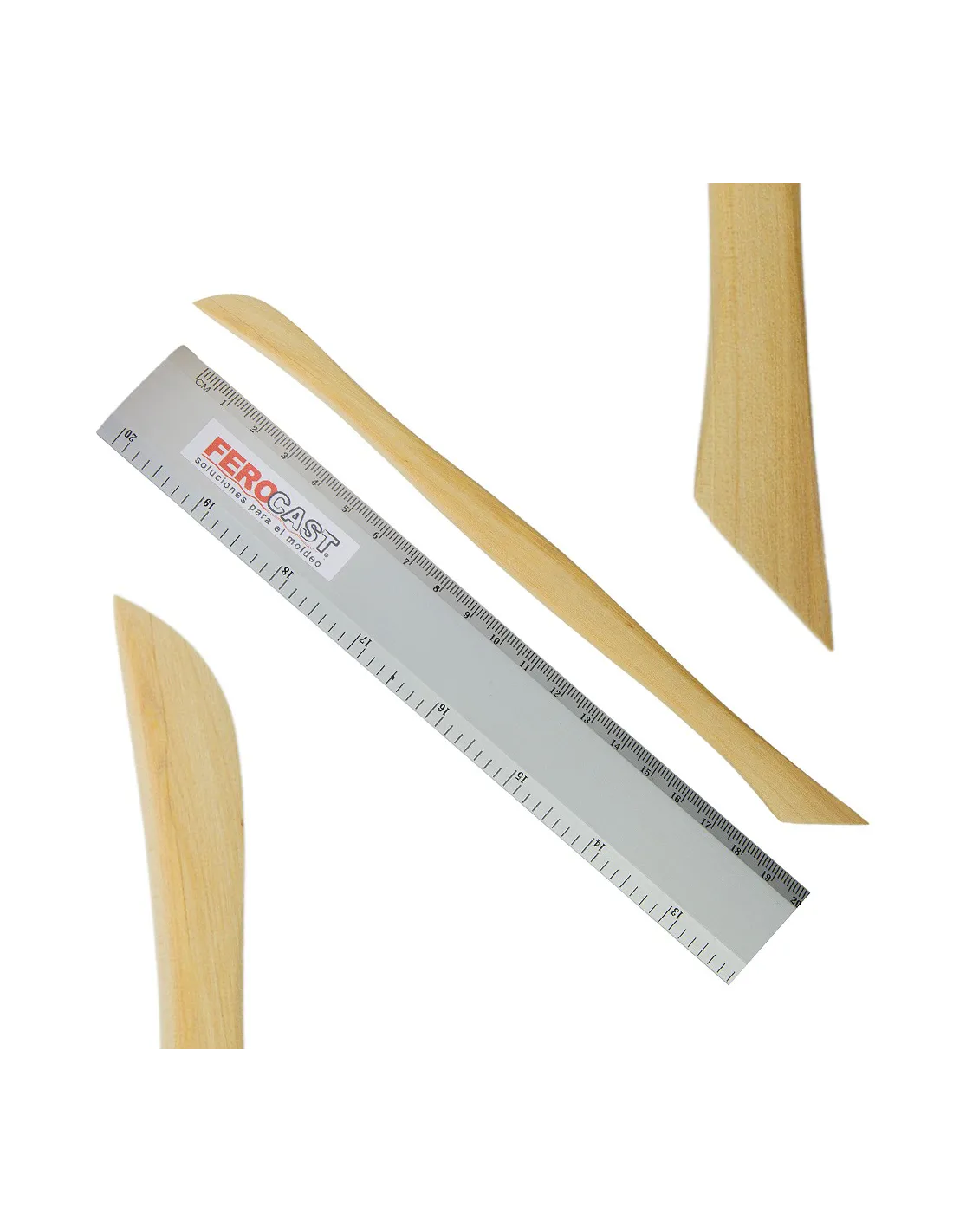
Tiranti wooden modelling tools, professional implements for sculpture and modelling. Price per unit.
Tiranti wooden modelling tools are classic sculpture implements, made from durable wood and designed for working with clays, modelling compounds and soft materials with precision and comfort. A standard reference in special effects workshops, professional sculpture and artistic modelling.
What they are used for
These modelling tools are designed for shaping, smoothing, texturing and forming plastic and soft materials. Their wooden finish offers a natural feel and smooth glide over most modelling compounds.
- Modelling and sculpting with water-based clays, polymer clays and waxes
- Smoothing and refining surfaces on sculptural pieces
- Defining details, edges and fine textures
- Working with two-component epoxy modelling compounds
- Applications in special effects (FX) makeup with modelling compounds
- Modelling in artistic training and fine arts workshops
- Preparing originals for moulding with other complementary Tiranti modelling tool series
How to use them
- Select the appropriate end of the tool for the task: fine tip for detail work, wide end for smoothing surfaces.
- Work the material in small portions, applying gentle and consistent pressure to avoid unwanted deformations.
- For smoothing, slightly dampen the tool with water when working with water-based clays; with waxes or epoxy compounds, use it dry.
- To define edges or carve lines, use the edge of the tool rather than the tip, giving you better control over stroke depth.
- When finished, clean the tool with a soft or slightly damp cloth to remove material residue. Do not soak it in water for extended periods to preserve the wood.
- Store the tools in a dry place, away from heat sources that could warp the wood.
Usage tips
Choose the right series for each task
Tiranti manufactures several series of modelling tools with different geometries. Wooden tools are ideal for general work and broad surfaces. If you need greater precision on very fine details or need to work firmer materials, consider complementing them with the SB Series or the SK Series, which feature stainless steel tips for greater durability and precision.
Material compatibility
Wood can absorb pigments or dyes from some coloured clays. If you are alternating between different colours, clean the tool thoroughly between uses or dedicate specific tools to each colour. With resins or epoxy compounds, work quickly before the material hardens, as once cured it can be difficult to remove from the wood without causing damage.
Maintenance and durability
The lifespan of a wooden modelling tool depends on how well you care for it. Avoid leaving it soaking or exposed to aggressive solvents. If the tip wears down with use, you can gently sharpen it with fine sandpaper to restore the original profile. A good set of well-maintained tools can serve you for years of workshop work.
Frequently asked questions
What modelling materials are these tools compatible with?
They are compatible with the vast majority of soft modelling materials: water-based clays, polymer clays, sculpting waxes, epoxy modelling compounds and vinyl pastes. They are not recommended for highly abrasive or liquid materials.
Can I use them with resins or silicones?
They can be used to spread or shape epoxy compounds before curing, but they are not the ideal tool for mixing liquid resins or silicones. For that type of work, plastic or metal spatulas are more appropriate.
How many tools does each unit include?
The price corresponds to a single individual unit. If you need to complete a set with different geometries, you can combine this tool with other Tiranti series available at Feroca.
What is the difference between wooden and stainless steel modelling tools?
Wooden tools are softer to the touch and glide well over wet clays. Stainless steel tools, such as those in the SK Series, offer greater durability, precision on fine details and are easier to clean with solvents.
Are they suitable for beginners?
Yes. They are intuitive to use and require no prior technical knowledge. They are a good starting tool for those getting into sculpture or modelling, and remain useful at a professional level due to their versatility.
How do I clean them properly?
For water-based clays, a damp cloth is sufficient. For waxes or epoxy compounds, remove residue before it fully hardens using a dry cloth. Avoid strong solvents and do not soak them in water for extended periods, as the wood can swell or crack.
Can I get technical assistance to choose the right tool?
Of course. You can contact the Feroca technical team by calling 914 481 271 or writing to [email protected]. They will advise you on which tool series best suits your working process.
No reviews
Tap to zoom