Shopping Cart


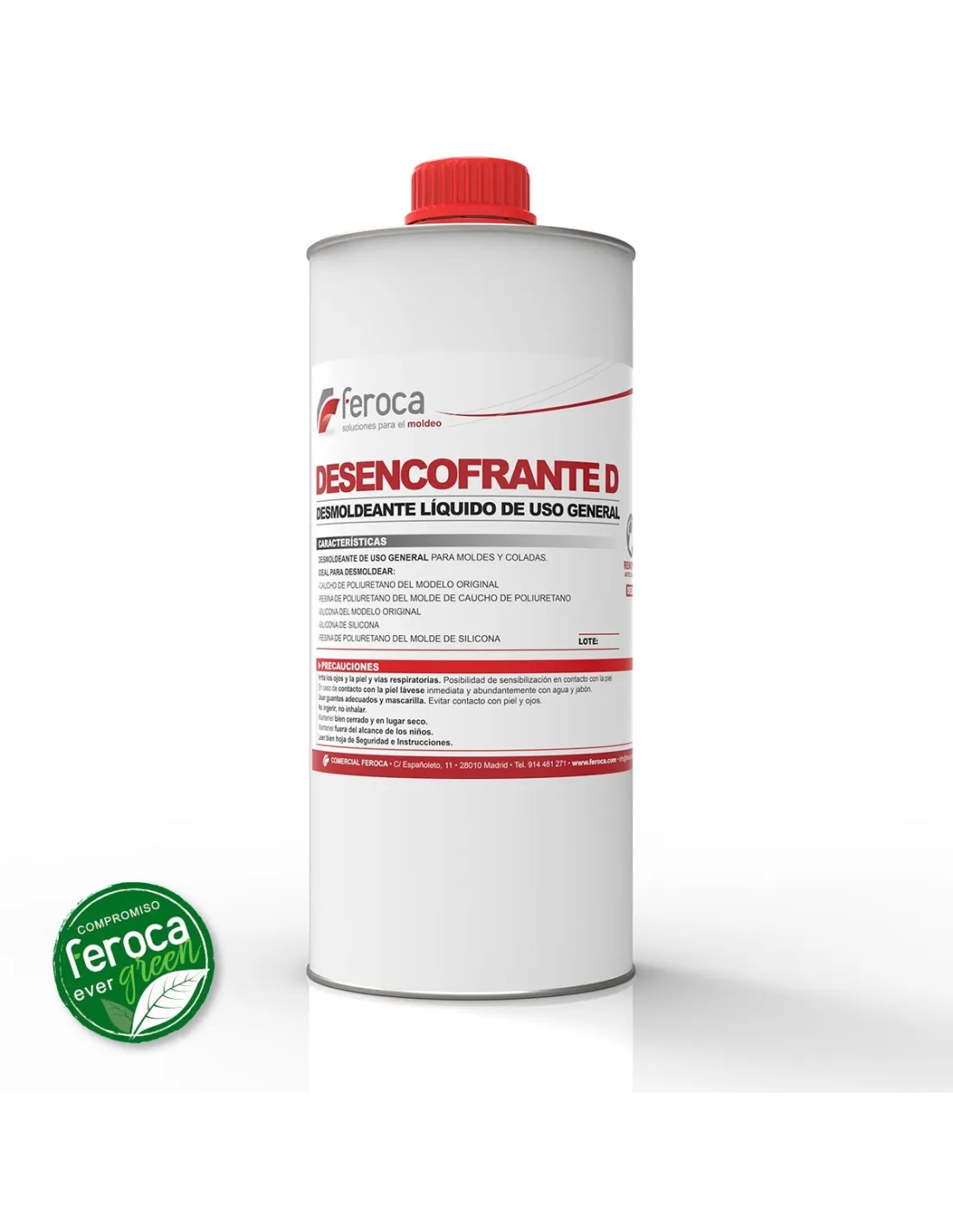
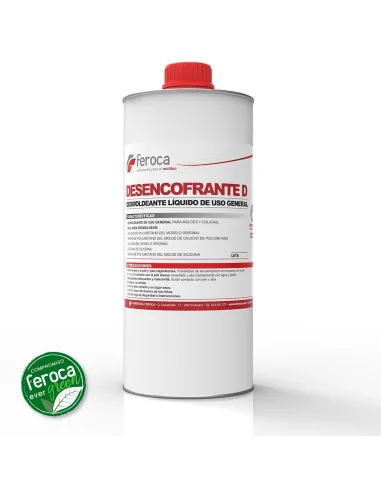
SIKA Release agent D
303235001
€8.50
10,29 € Tax incl.
10,29 € Tax incl.
Water-soluble release oil for wood and metal formwork and silicone or polyurethane moulds. Extends mould life.
Sika Release agent D is a water-based release oil designed to prevent concrete and mortar from adhering to all types of formwork and moulds. Emulsified in water at variable ratios, it works on both absorbent formwork and non-porous surfaces, and is equally effective as a separation agent between mould materials such as silicone and polyurethane. Regular use extends mould life and facilitates demoulding without damaging surfaces.
Technical specifications
| Parameter | Value |
|---|---|
| Product type | Water-emulsifiable release oil |
| Solubility | Water-soluble at variable ratios |
| Compatible formwork type | Wood, metal, plastic, absorbent and non-absorbent |
| Application | Brush onto clean, dry surface |
| Family | Liquid Release agent |
| Brand | Sika |
What it is used for
Release agent D is designed for applications where a clean separation is needed between the mould or formwork and the poured material. Its water-emulsifiable formulation makes it especially versatile in the workshop and on site. It is used in the following combinations and contexts:
- Wood or wood-based formwork for concrete and mortar
- Metal formwork in precast concrete
- Separation between polyurethane rubber and the original model
- Separation between polyurethane resin and polyurethane rubber mould
- Separation between silicone and the original model
- Separation between silicone and silicone (mould over counter-mould)
- Separation between polyurethane resin and silicone mould
- Series production where extended mould life is required
How to use it
- Make sure the formwork or mould surface is completely clean and dry before applying.
- Shake or thoroughly mix the product before use, especially if it has been stored or previously diluted.
- If diluting, mix Release agent D with water at the appropriate ratio according to the type of formwork and the absorption level of the material.
- Apply a uniform coat with a brush over the entire contact surface. Avoid build-up or puddles.
- Allow a few minutes for the oil to form a continuous film before pouring concrete, mortar, or mould material.
- Repeat the application between each casting cycle to maintain release effectiveness and protect the formwork.
Usage tips
Dilution and concentration
The dilution ratio in water depends on the substrate. On absorbent formwork such as wood, a more concentrated emulsion ensures a sufficient protective film. On metal or plastic surfaces, a higher dilution is common. Run tests on a small section first if working with new formwork or an unfamiliar material.
Compatibility with silicone and polyurethane moulds
When working with silicone or polyurethane rubber moulds, Release agent D acts as a barrier between layers. It is especially useful when making counter-moulds or duplicating an existing mould. Make sure to cover edges and detail areas thoroughly, as these are the points where most adhesion problems occur. If you need a general-purpose workshop release agent, the Ease-Demold 305 is a very convenient spray alternative for complex geometry parts.
Maintenance and storage
Always homogenise the product before each use, especially if some time has passed since the last application. Store in a cool, dry place away from heat sources. If you have prepared a diluted emulsion, use it the same day or store it in a sealed container to prevent the aqueous phase from separating.
Frequently asked questions
Is it necessary to use a release agent on wood formwork?
Yes, it is highly recommended. Wood is an absorbent material that can bond to concrete or mortar if not properly protected. Release agent D applied to wood formwork forms a barrier that facilitates demoulding and prevents moisture from the concrete from deteriorating the wood, extending its useful life.
Can I use this release agent between layers of silicone?
Yes. Release agent D is specifically indicated for silicone-to-silicone separation, for example when making a counter-mould or duplicating an existing mould. Apply a uniform coat over the cured mould before pouring the new silicone.
What dilution ratio is used with water?
The ratio is variable and depends on the type of formwork and the absorption level of the substrate. For absorbent formwork such as wood, a higher concentration is recommended; on non-porous surfaces it can be diluted further. Consult the Sika TECHNICAL DATA SHEET for exact ratios for each use case.
Is it compatible with polyurethane resins?
Yes. Release agent D is compatible with polyurethane resins on both silicone moulds and polyurethane rubber moulds. Always apply to a clean, dry mould surface before pouring the resin.
When should I repeat the release agent application?
It is recommended to apply Release agent D before each casting cycle to maintain effectiveness. In series production with many cycles, it may be possible to space out applications, but it is always advisable to check the condition of the mould surface and reapply if there are signs of adhesion or if the film has visually disappeared.
What is the difference between this release agent and polyvinyl alcohol PVA?
Release agent D is a water-emulsifiable oil aimed at formwork and separation between mould materials. Polyvinyl Alcohol PVA is a dry-film release agent widely used in lamination with polyester and epoxy resins, where a sealing barrier is needed. Each one meets different workshop needs.
Can the release agent affect the surface finish of the part?
If applied correctly in a thin, uniform layer, Release agent D should not leave noticeable marks. Build-up or puddles can cause irregularities on the part surface. Always apply with a brush and remove any excess to obtain a clean finish.
Is it necessary to clean the mould before applying the release agent?
Yes, it is essential. The surface must be clean, free of any previous casting residue or dust, and completely dry. Any contamination can prevent the release agent from forming a continuous film and cause localised adhesion during demoulding.
- Type
No reviews
Tap to zoom