Shopping Cart



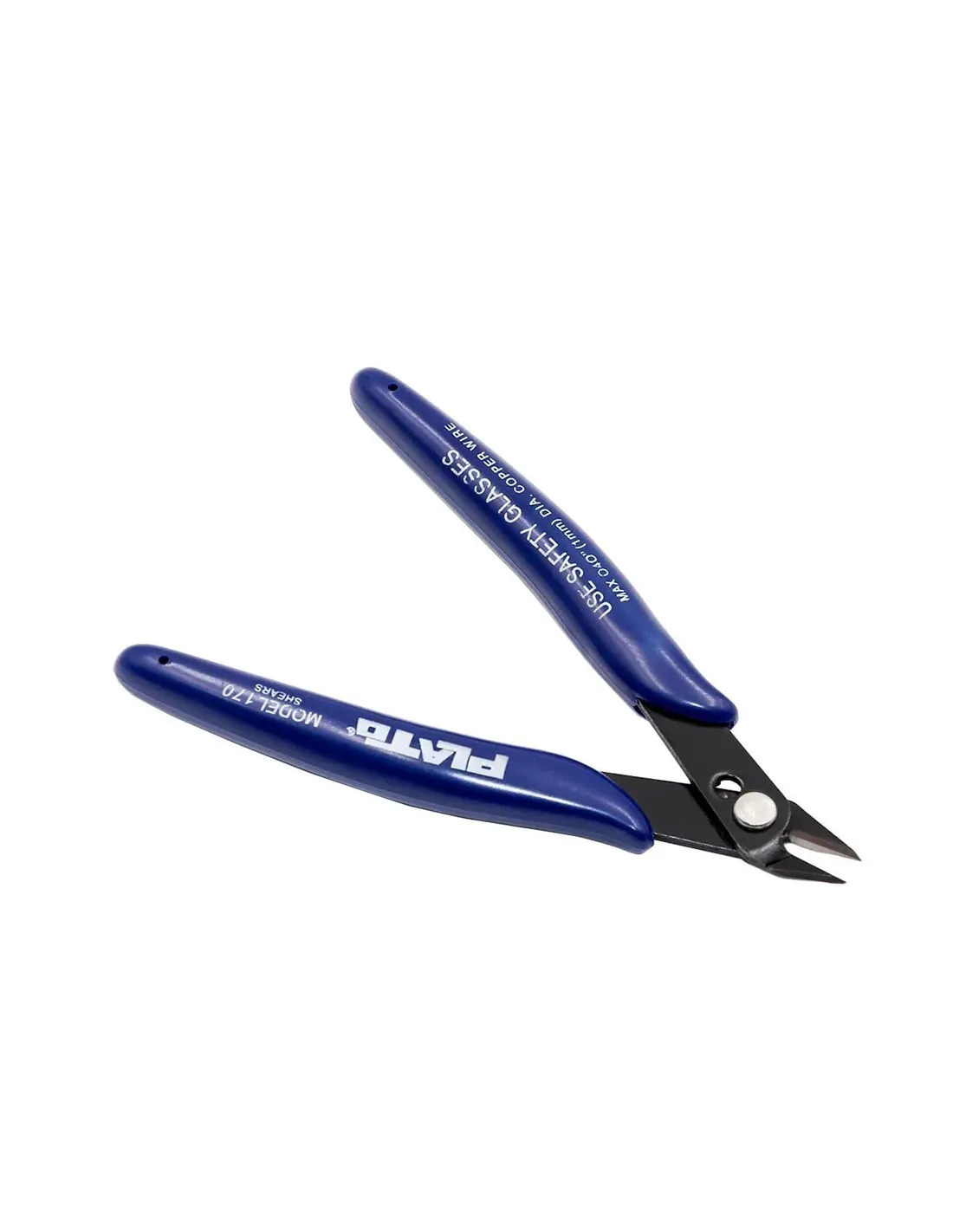
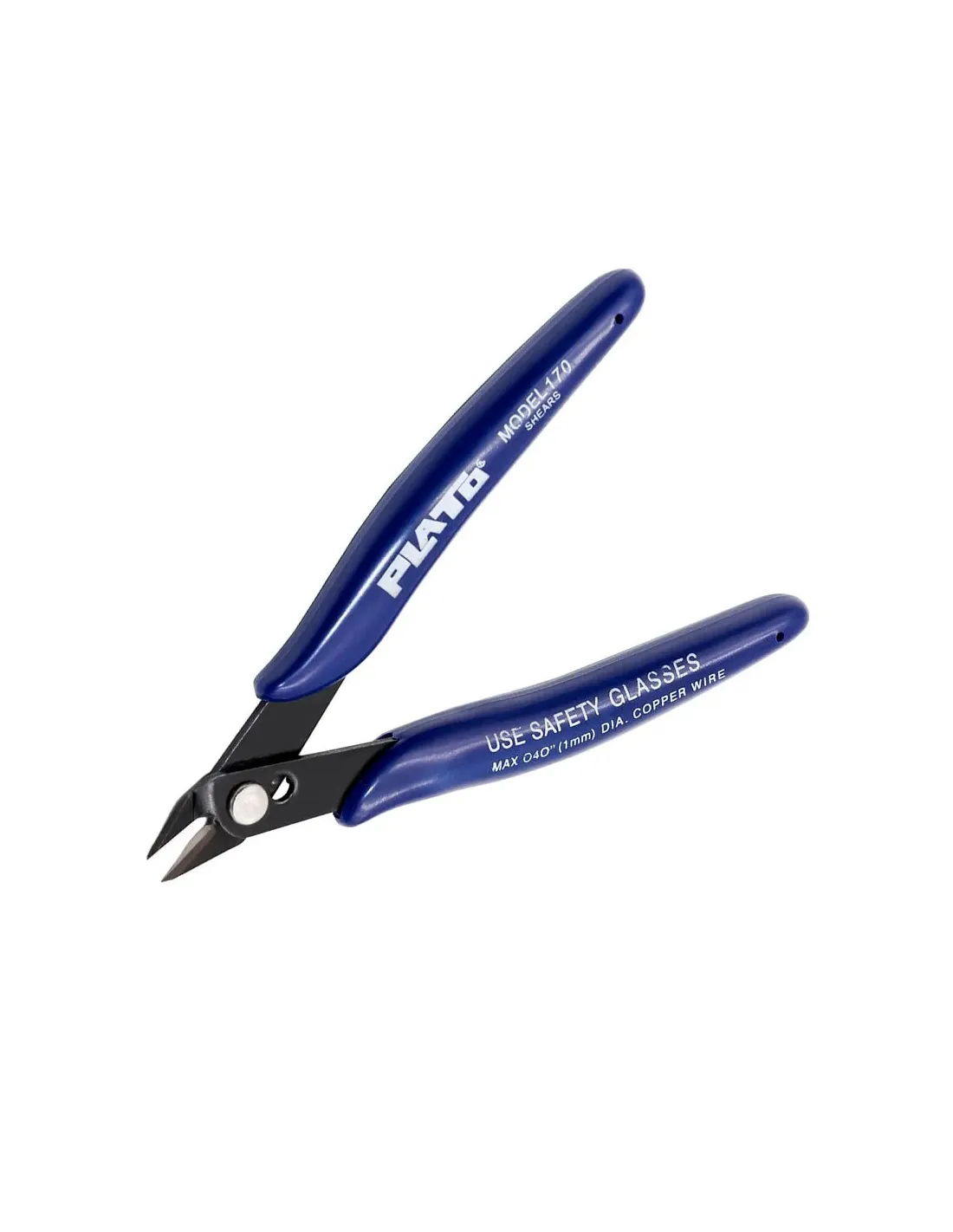
3D Cutting Pliers
615022022
€6.00
7,26 € Tax incl.
7,26 € Tax incl.
Precision flush cut side-cutting plier for 3D printing, electronics and scale modelling. Oblique jaw, 61 g, special steel.
The 3D Alicate Cortador is a flush cut side-cutting plier designed specifically for finishing 3D printed parts, though its precision makes it equally useful in electronics, jewellery and scale modelling. Weighing just 61 grams and featuring a flat oblique jaw, it removes supports and excess material with a clean, controlled cut without damaging the part.
Technical specifications
| Feature | Value |
|---|---|
| Weight | 61.2 g |
| Material | High-quality special steel |
| Cut type | Side cut (flush cut) |
| Jaw profile | Oblique and flat |
| Handle | Ergonomic with integrated spring |
| Main applications | 3D printing (FDM/SLA), electronics, jewellery, scale modelling |
What it's used for
This is the go-to plier when you need a flush cut with no marks or steps. The flat jaw can rest directly on the part surface to remove any protrusion without tearing the material.
- Support removal on FDM parts (PLA, ABS, PETG, TPU…)
- Cutting support bases on photopolymer resin parts (SLA/MSLA)
- Cutting electronic components and capacitor or resistor legs
- Finishing jewellery pieces in wax or resin
- Scale modelling: cutting sprues and parts from frames
- Fishing: preparing leaders and rigs with monofilament
- Any workshop task requiring precise cutting in tight spaces
How to use it
- Make sure the part is cool and, in the case of SLA resins, fully cured before handling.
- Hold the part firmly on a stable surface or with your free hand, leaving clear access to the support or excess you want to remove.
- Place the flat face of the jaw resting on the part surface, tangent to the cut point.
- Close with firm, even pressure — the spring will automatically open the jaws after each cut.
- If minimal residue remains, repeat the cut with the jaw pressed even closer to the surface, or finish with a file or fine-grit sandpaper.
- Clean the jaws with a dry cloth after use to maintain the edge.
Usage tips
FDM printing: temperature and angle
With PLA and rigid materials at room temperature the cut is clean. With TPU or other flexible materials, cool the part in the freezer for a few minutes before cutting: the material becomes more brittle and the break comes out cleaner. Always work with the flat face well rested against the part to avoid marks on the visible surface.
SLA/MSLA resins: cure before cutting
Never cut supports on uncured resin: the material is soft and the break is unpredictable. Wait for the full post-cure cycle (usually 2–5 minutes in a UV station depending on the resin) and work with gloves, as cured resin fragments can fly off when cutting.
Edge maintenance
The special steel holds up well to continuous use, but avoid cutting hard metallic materials (steel wire, thick copper multi-strand cables): this is not the right tool for that and the edge would be damaged. Store it with the jaws slightly open, never locked, to avoid stressing the spring.
Frequently asked questions
What types of materials is this plier suitable for?
This plier is optimised for 3D printing plastics (PLA, ABS, PETG, ASA, TPU), photopolymer resins, plastic modelling frames, monofilament line and small-gauge electronics conductors. It is not designed for cutting hard metals or steel cables.
What is the difference between a flush cut side-cutting plier and a conventional one?
In a flush cut side-cutting plier the blades are on the side of the head, allowing you to cut flush with the surface without leaving a stub. In a conventional plier the cut sits slightly raised. For removing 3D printing supports or electronic component legs, the side cut gives much cleaner results.
Is it compatible with SLA and MSLA printing resins?
Yes. The flat oblique jaw is designed precisely to reach the base of the supports without striking or nicking the part surface. Always work with the post-cured part and with eye protection, as fragments can fly off.
Can the integrated spring be replaced if it breaks?
The spring is designed for a very long service life under normal use conditions. In the event of breakage through intensive use, contact Feroca to enquire about spare part availability or tool replacement.
Where can I buy this plier and other workshop materials?
You can buy it at the Feroca online store and also at the physical shops: Feroca Madrid (Calle Españoleto, 11 - 28010) and Feroca Fuenlabrada (Sierra Elvira, 22 - 28946).
How much does it weigh and is it suitable for extended use?
It weighs 61.2 grams and its ergonomic handle with integrated spring makes it comfortable during long post-processing sessions. The low weight reduces fatigue in repetitive support removal work.
Can it also be used in electronics and jewellery?
Yes. The precision of the jaw makes it suitable for cutting electronic component legs (resistors, capacitors, LEDs) and for jewellery work in wax, resin or small-format plastic. It is a versatile workshop tool.
What tools complement this plier in 3D part post-processing?
For complete post-processing you can combine this plier with curved-tip scissors for hard-to-reach areas, and with progressive-grit sandpaper to smooth cut points. For composite or technical fibre work, the special scissors for carbon, kevlar and aramid are the right complement.
No reviews
Tap to zoom