Shopping Cart



Syringe 300ml
307003000
€11.56
13,99 € Tax incl.
13,99 € Tax incl.
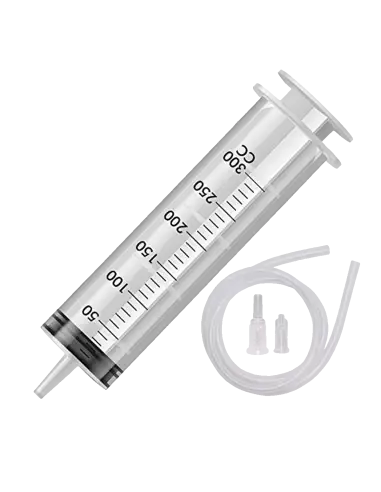
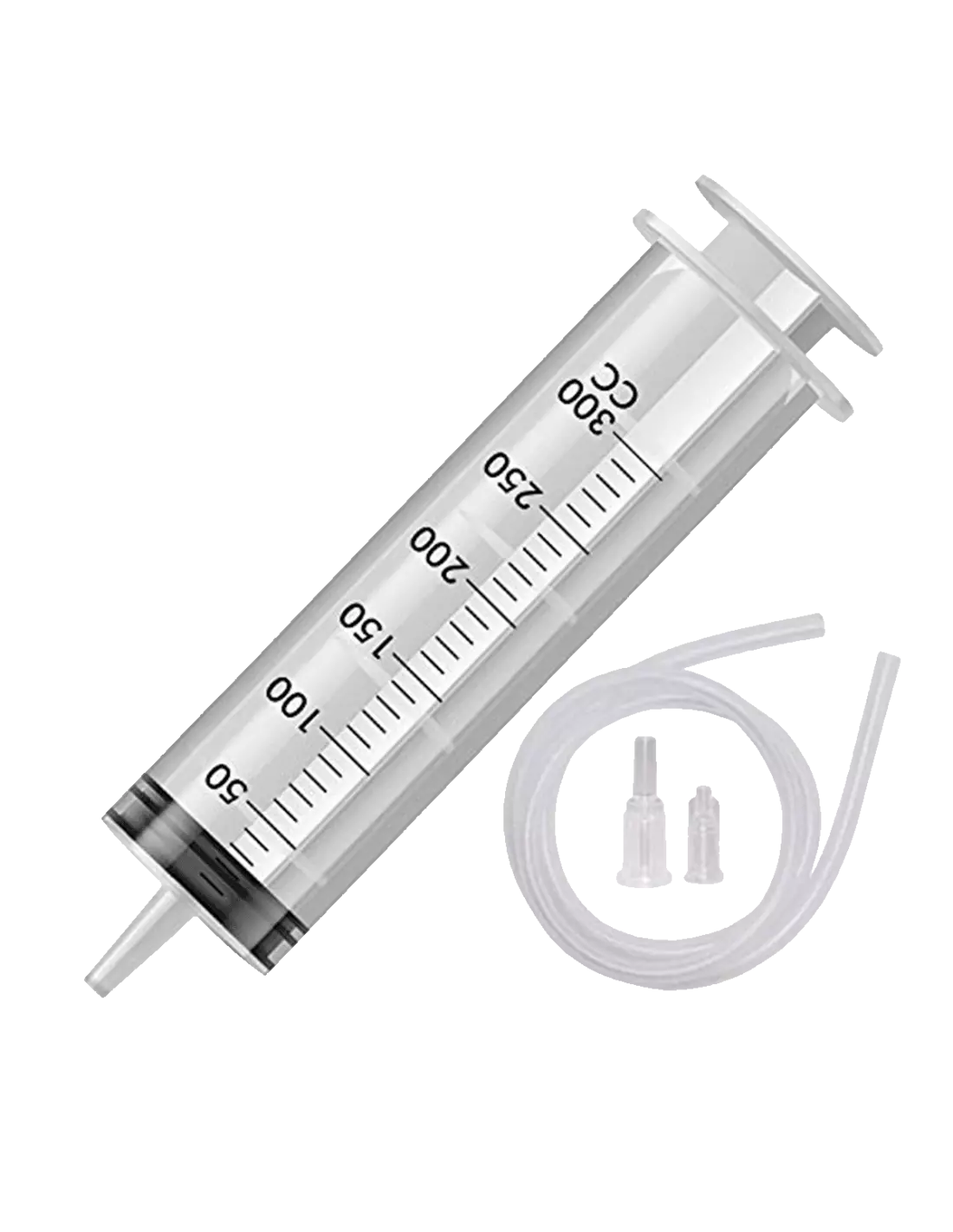
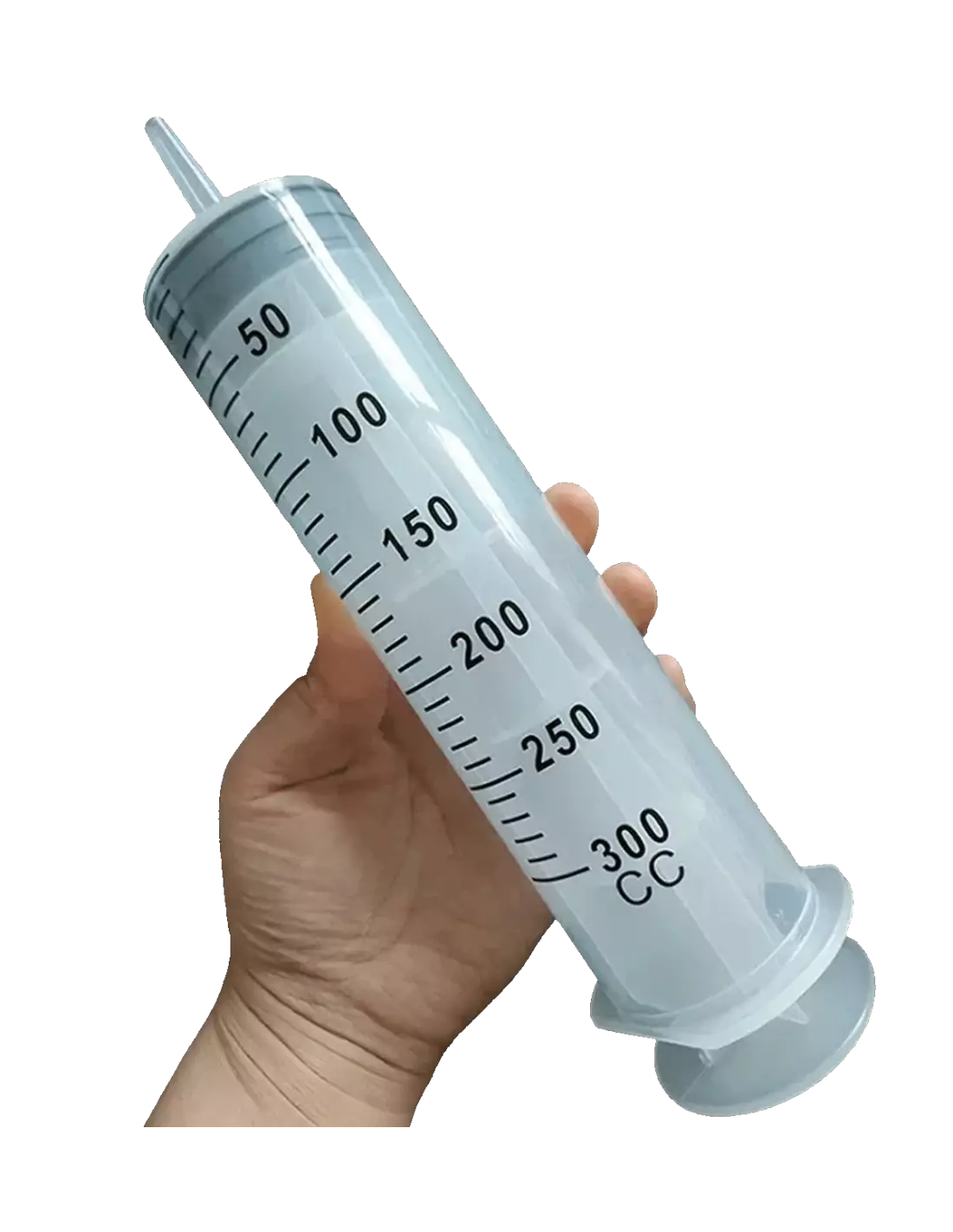
300 ml syringe with 1.5 m probe for precise dispensing and application of liquids in special effects, artificial blood and workshop applications.
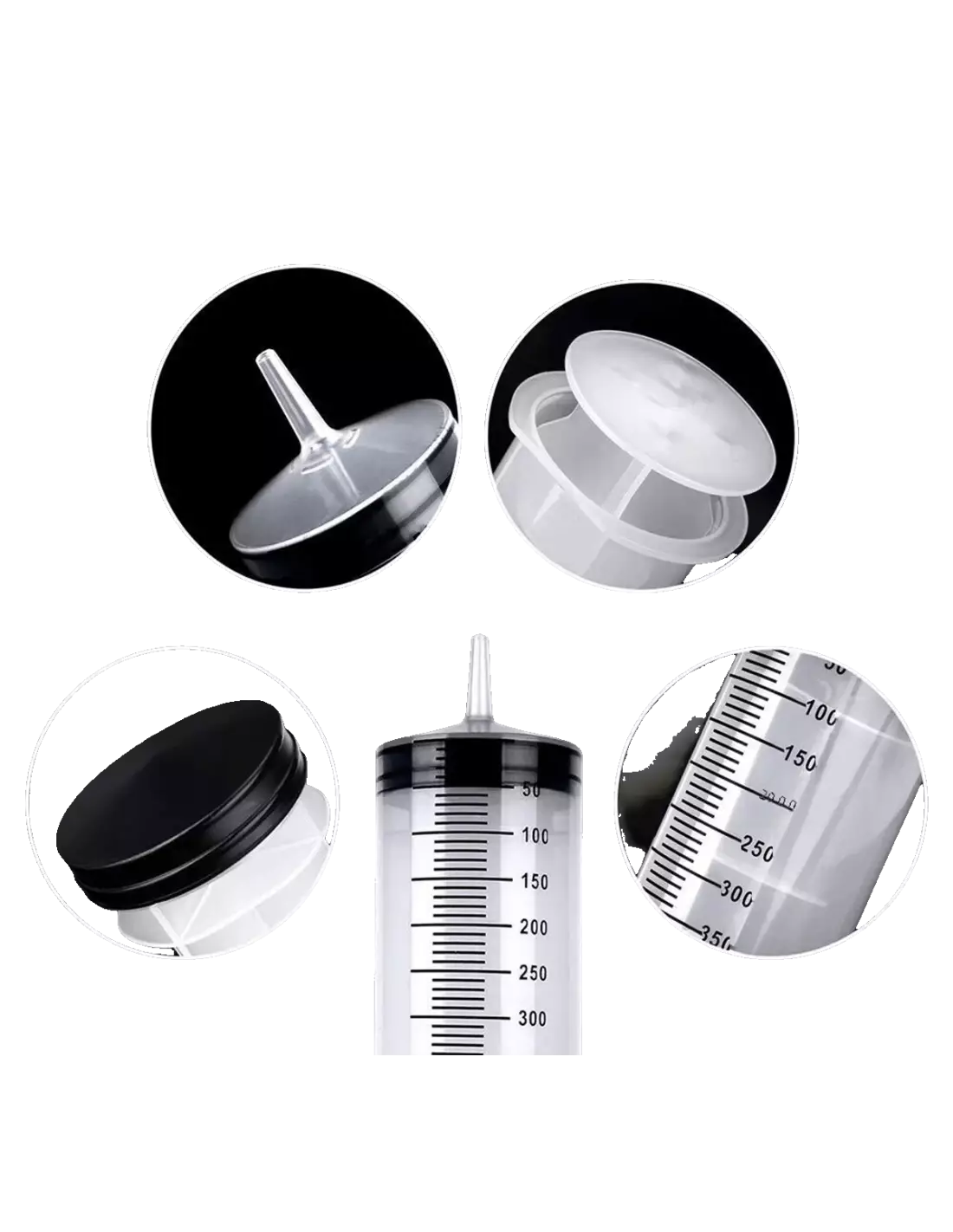
The 300 ml syringe is a high-capacity dispenser designed for workshop applications where precise control over liquid flow is required. With its 1.5 m probe, it allows you to inject or extract fluids in hard-to-reach areas, making it an essential tool for special effects, animatronics and prosthetics.
Technical specifications
| Feature | Value |
|---|---|
| Capacity | 300 ml |
| Total length | 25.8 cm |
| Capacity zone length | 19.5 cm |
| Cylinder diameter | 5.3 cm |
| Probe length | 1.5 m |
| Function | Liquid aspiration and injection |
What it is used for
It is the perfect dispenser when you need to handle considerable volumes of liquid with full control over the flow. The flexible 1.5 m probe greatly expands the range of applications, allowing you to reach internal areas of moulds, prosthetics or structures where a conventional syringe would not reach.
- Dispensing artificial blood and fluids for special effects on film sets and in theatre
- Injecting liquids into the interior of animatronic prosthetics or articulated figures
- Filling moulds by injection through narrow channels or small sprues
- Controlled application of low-viscosity resins in laminates or specific areas
- Extracting excess liquid in workshop applications
- Dispensing dyes, inks or decorative fluids in display or window dressing projects
- Applying liquid adhesives or accelerators in hard-to-access points
How to use it
- Remove the plunger from the cylinder and, if necessary, attach the probe to the outlet end.
- To draw up liquid: insert the probe tip into the container with the fluid and pull the plunger back slowly. The vacuum created draws the liquid into the cylinder up to the desired volume.
- Check that no air bubbles have entered. If so, tilt the syringe with the probe pointing upward and push the plunger slightly to expel them.
- Insert the probe into the point where you want to inject the liquid: inside a mould, prosthetic, figure or application area.
- Push the plunger forward gradually to control the flow rate and avoid spills or excessive pressure.
- Once the application is complete, clean the cylinder and probe with water or the appropriate solvent for the liquid used before it cures or dries.
Usage tips
Control the plunger speed
The flow depends directly on the speed at which you push the plunger. For delicate applications — such as injecting artificial blood into a latex or silicone prosthetic — do it slowly and with steady pressure. A sudden push can create bubbles or spills that ruin the effect.
Keep the probe clean between uses
After each use, flush water or the appropriate solvent through the probe while the residue is still fresh. The 1.5 m probes can easily become clogged if liquid is left to dry inside. If you are working with fast-curing resins, clean immediately after each application.
Combine it with other dispensers depending on volume
For smaller quantities or finer applications, Feroca's standard syringe is more manageable. Save the 300 ml one for fills where you need speed and do not want to keep reloading. If you are working with materials that need to be melted or pre-heated, the melting ladle is the ideal complement before moving on to dispensing.
Frequently asked questions
What type of liquids is this syringe suitable for?
It is suitable for low to medium viscosity liquids: artificial blood, water, dyes, fluid resins, oils or any fluid that is not abrasive or extremely dense. For very viscous materials, moving the plunger may require more effort; in that case, pre-heat the liquid if the material allows it.
Can it be used to inject into silicone moulds?
Yes. The 1.5 m probe allows it to be inserted through sprues or injection channels and dispense material with precision. It is especially useful when the mould has closed or hard-to-reach areas where pouring directly would be difficult.
What should I do if the plunger does not move smoothly?
There may be dry residue inside the cylinder, or the liquid may be too viscous. Clean the inside thoroughly with warm water or the appropriate solvent. If the issue is the viscosity of the material, heat it slightly before loading the syringe.
How do I avoid air bubbles when loading the syringe?
Draw up the liquid slowly and always keep the probe tip submerged in the fluid. Once loaded, point the probe upward and gently push the plunger until the trapped air is expelled before making the final injection.
Is it reusable?
Yes, as long as it is cleaned properly after each use. Wash the cylinder and probe with water or a solvent compatible with the liquid used while it is still fresh. Avoid leaving materials that polymerise or harden inside, as they can permanently clog the probe.
Can I use this syringe with resins or silicones?
Yes, but keep the working time of the material in mind. Fast-curing resins and silicones can solidify inside the probe if you do not clean it immediately. Use it with materials that have enough working time to complete the application and subsequent cleaning.
What is the difference compared to the standard syringe?
The main difference is capacity: 300 ml versus the smaller volumes of the standard syringe. This makes it more suitable for jobs where large quantities need to be dispensed without reloading. It also incorporates a 1.5 m probe that allows you to reach restricted-access areas.
How do I mix the material before loading it into the syringe?
Always mix in a separate container using a wooden spatula or another suitable tool. Never mix directly in the syringe cylinder, as it would be impossible to homogenise the material properly and air could become trapped.
No reviews
Tap to zoom