Shopping Cart



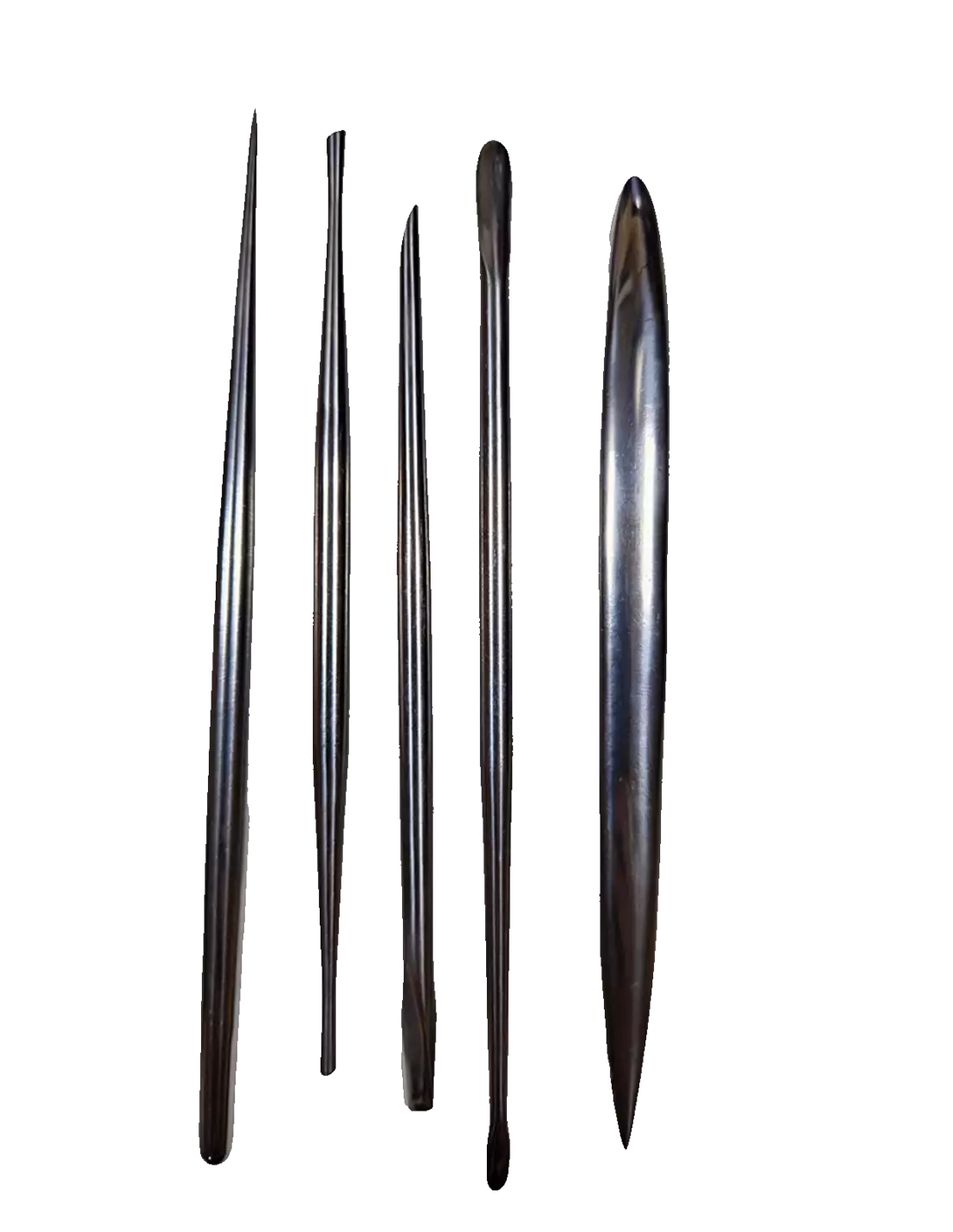
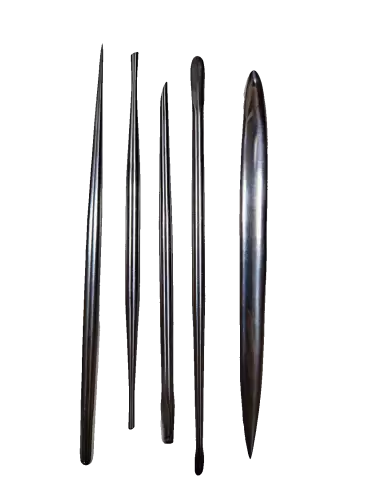
Modeling Sticks FE Series - Kit 5 units
206801201
€25.00
30,25 € Tax incl.
30,25 € Tax incl.
Kit of 5 FE Series stainless steel modelling tools, ~15 cm, for professional sculpture in clay, wax and plasticine.
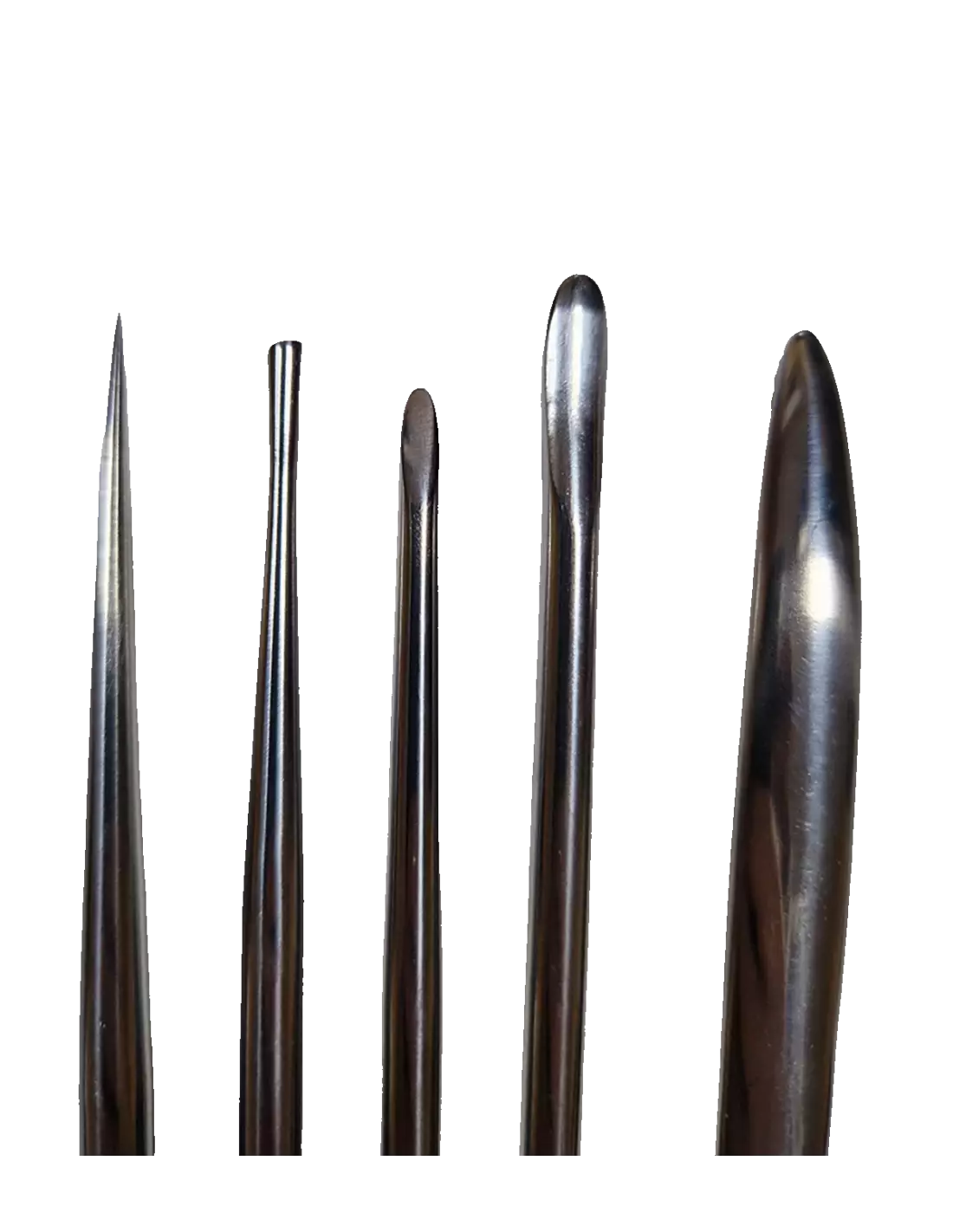
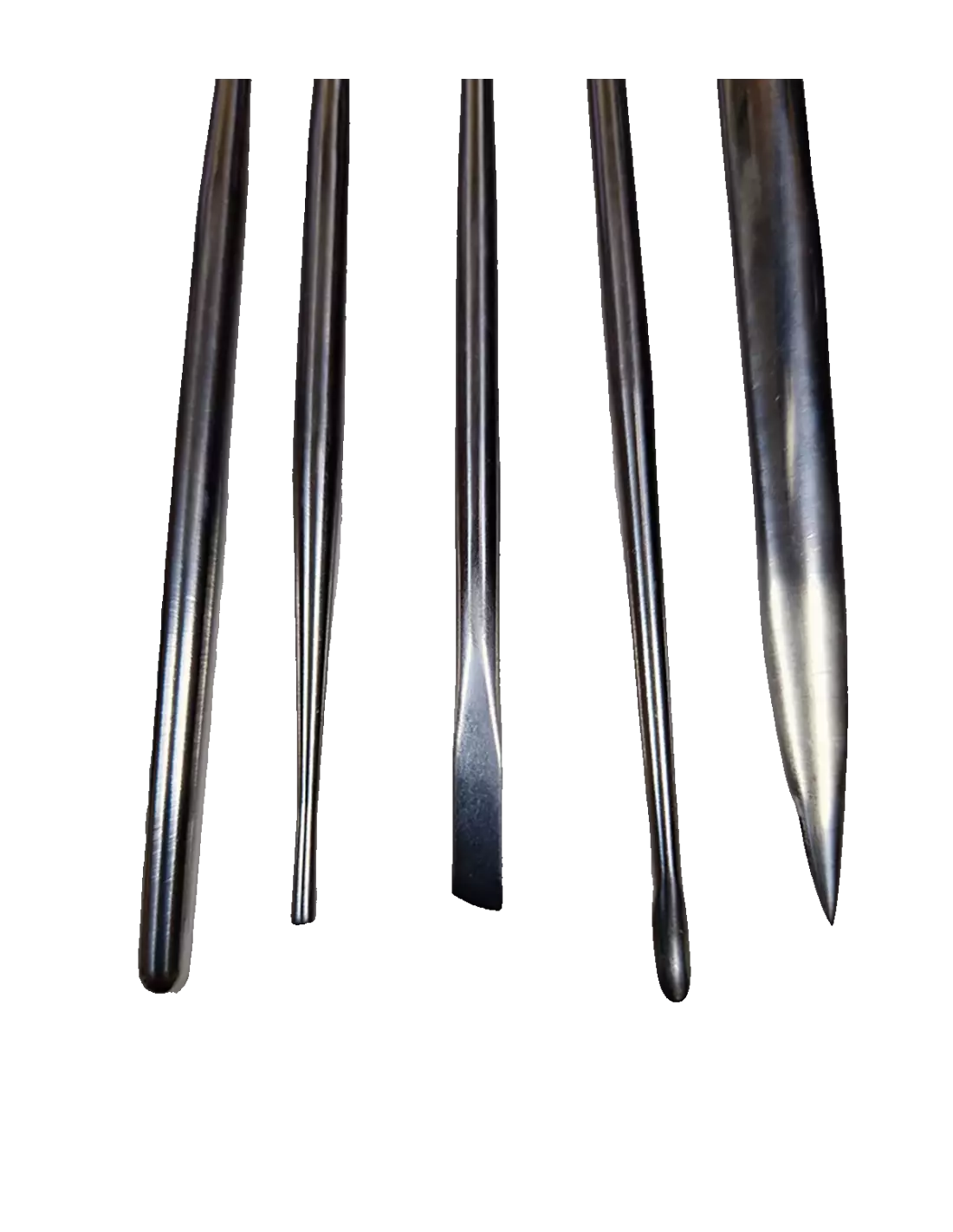
The FE Series modelling tools are stainless steel sculpting tools designed for professional sculpture and modelling. The kit includes five units with different tip shapes covering basic and advanced workshop needs: from rough blocking to the finest detail work. The stainless steel finish ensures durability, corrosion resistance and quick cleaning between materials.
Technical specifications
| Feature | Detail |
|---|---|
| Material | Stainless steel |
| Approximate length | 15 cm per unit |
| Units per kit | 5 |
| Series | FE |
What it is used for
These modelling tools are designed for working with soft and malleable materials in sculpture, artistic prototyping and special effects contexts. The variety of tip shapes allows you to tackle both large volumes and high-precision finishing work.
- Sculpture in water-based clay and polymer clay
- Modelling in workshop plasticine and sculptor's wax
- Creating textures, lines and fine reliefs
- Retouching and finishing pieces before moulding
- Making maquettes, miniatures and props for special effects
- Working with two-component epoxy modelling paste
How to use it
- Select the appropriate tip for the task: flat tips for smoothing, pointed tips for drawing lines, ball tips for indenting and rounding volumes.
- Apply the tool to the material with controlled pressure. With harder clays, work in progressive layers to avoid unwanted deformations.
- For very smooth surfaces, slightly dampen the tip of the tool or the material (if working with water-based clay) to reduce friction.
- Alternate between tools during the process to gain speed on basic forms and reserve fine detail work for the final stages.
- Once the session is finished, clean the tools with a cloth or isopropyl alcohol to remove material residue and keep the steel in perfect condition.
Usage tips
Choose the right tip for each phase
Wider, flatter tips are ideal for the initial volume-building phases. Save the finer, pointed tips for the detail phase, once the piece already has its final shape. Mixing phases with the same tool slows down the work and can ruin areas that are already finished.
Cleaning between materials
If you switch materials during the same session — for example, from plasticine to wax — clean the tools thoroughly before continuing. Sulphur-based plasticine residue can contaminate waxes or interfere with sensitive materials. Isopropyl alcohol or a dry cloth are sufficient for most cases.
Maintenance and storage
Stainless steel requires no special care, but it is advisable to store the tools in a case or vertical holder to protect the tips. Avoid mixing them with heavy metal tools that could bend or blunt the more delicate tips. With proper use and storage, these tools last years of intensive workshop use.
Frequently asked questions
What materials are these tools suitable for?
The FE Series modelling tools work well with any soft or semi-solid material: water-based clay, polymer clay, workshop plasticine, sculptor's wax and epoxy modelling paste. They are not intended for cured or hard materials.
How many different tools does the kit include?
The kit includes 5 modelling tools, each with a different tip shape, covering the basic needs of a complete workflow: rough blocking, volume building, texturing and fine detail work.
Are they suitable for professional use or only for hobbyists?
They are designed for professional or semi-professional use. Their stainless steel construction makes them suitable for daily workshop use, withstanding intensive use without deteriorating quickly.
How do you clean them properly?
For most materials, a dry cloth or one slightly dampened with isopropyl alcohol is sufficient. Stainless steel does not rust with moisture, but it is advisable to dry them thoroughly before storing to extend their useful life.
Are there other sets of modelling tools in the Feroca catalogue?
Yes. Feroca also distributes the Tiranti BM Series modelling tools, the Tiranti SB Series modelling tools and the Tiranti SK Series modelling tools, with different tip geometries depending on the specialty.
Can I use these tools with resins or silicones?
This is not their primary application. For working with resins and silicones in liquid phase, specific spatulas or mixing tools are recommended. These modelling tools are optimised for materials in solid or paste form.
How can I get technical advice on which tool I need?
You can contact the Feroca technical team at [email protected] or by calling 914 481 271. You can also get in touch through Feroca's social media channels.
No reviews
Tap to zoom