Shopping Cart



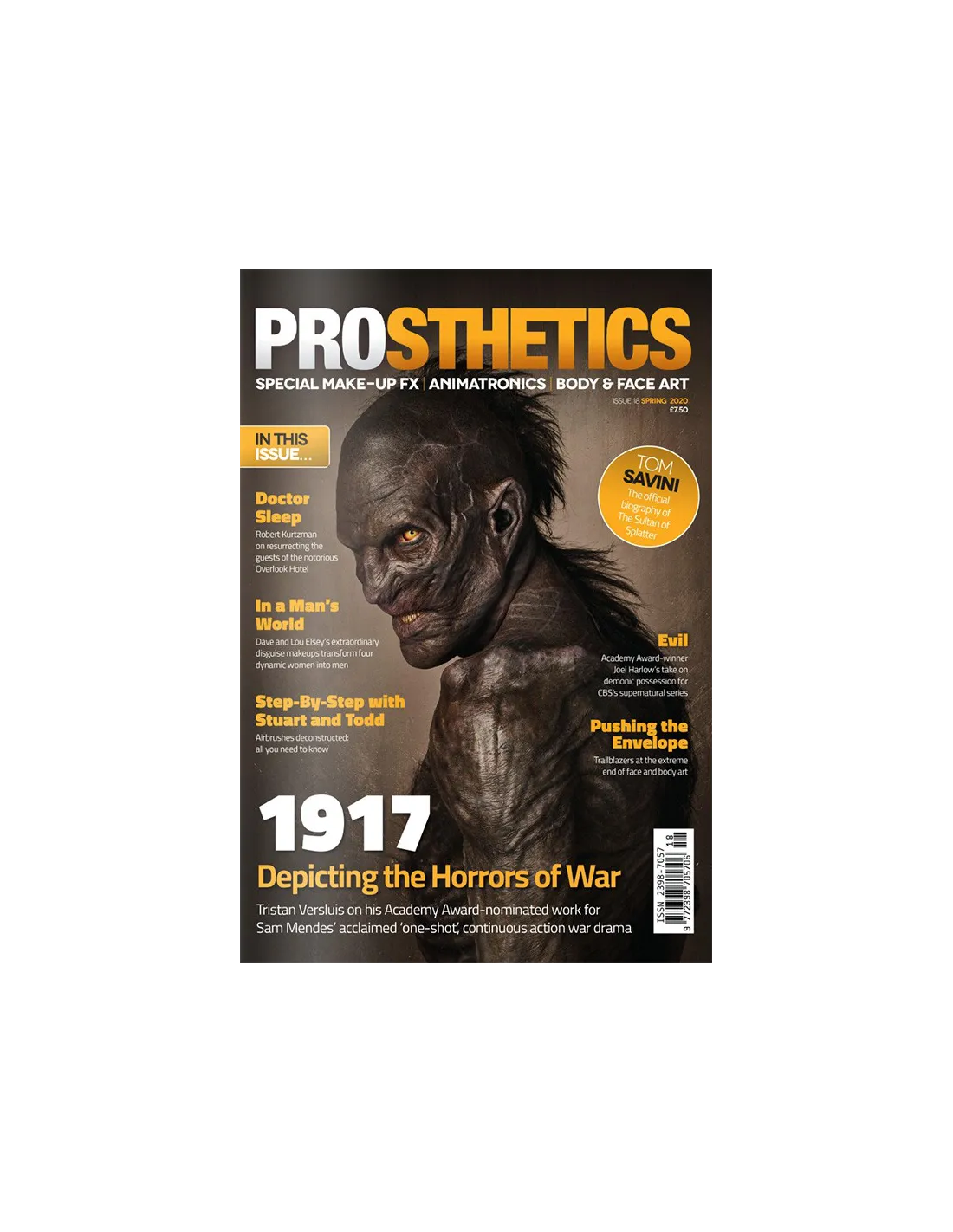
Prosthetics Magazine Nº18
600000019
Temporarily out of stock
€10.00
10,40 € Tax incl.
10,40 € Tax incl.
Specialist magazine on special effects and FX prosthetics for film and TV, produced by Neill Gorton. Tutorials, interviews and professional techniques.
Prosthetics Magazine is the world's first independent magazine dedicated exclusively to special effects for film and television. Produced by Neill Gorton, an internationally renowned FX artist and educator with decades of experience on top-level productions, each issue is a source of technical and creative knowledge for professionals and serious enthusiasts in the field. Issue 18 maintains the high editorial standard that has made this publication essential reading in workshops around the world.
Technical specifications
| Issue | 18 |
|---|---|
| Language | English |
| Subject | Special effects, FX prosthetics, makeup for film and TV |
| Produced by | Neill Gorton |
| Format | Print magazine |
What it's used for
Prosthetics Magazine Nº18 is a training and reference tool for anyone working or looking to work in the field of practical special effects. Its content combines theory, practice and direct contact with the best professionals in the industry:
- Learn prosthetic fabrication techniques for film and television
- Discover the most widely used materials in practical special effects and how to apply them
- Follow step-by-step tutorials developed by internationally recognised FX artists
- Stay up to date with trends and production processes in the FX makeup industry
- Find inspiration through in-depth interviews with leading figures in the field
- Complement self-taught training with rigorous, well-tested technical content
How to get the most out of it
- Start with the interview articles to contextualise the creative and technical processes used by professionals.
- Check the materials technical section to identify which ones suit your current projects.
- Follow the tutorials in order, gathering the necessary materials before starting each process in the workshop.
- Take notes on working times, mixing ratios and finishing techniques mentioned throughout the articles.
- Use the magazine as a visual reference while executing your pieces, comparing your results with those of the featured artists.
Usage tips
Combine reading with immediate practice
The content of Prosthetics Magazine is designed to be applied directly in the workshop. Don't read it purely as entertainment: identify a tutorial or technique in each issue and try it out with the materials you have available. The learning curve shortens considerably when theory and practice go hand in hand.
Use it as a technical archive
Keep each issue as part of your workshop library. Over time, the complete collection becomes a technical reference archive covering materials, processes and FX finishes that you'd be hard pressed to find gathered in one place elsewhere. Many professionals index the tutorials by technique or material for quick retrieval.
Learn from the mistakes artists document
One of the strengths of Prosthetics Magazine is that artists don't just show perfect results — they also explain what went wrong and how they fixed it. Pay particular attention to those sections, as they are the most valuable for avoiding common problems in your own projects.
Frequently asked questions
Is this magazine in English?
Yes, Prosthetics Magazine is entirely in English. It is a British publication and all its editorial content, including articles, tutorials and interviews, is written in English. A sufficient reading level is recommended to get the most out of the technical content.
What experience level is this magazine aimed at?
Prosthetics Magazine Nº18 is aimed primarily at professionals and semi-professionals in FX makeup and special effects. However, the detailed tutorials and material explanations also make it accessible and highly useful for technically minded enthusiasts looking to advance their training.
What types of materials are covered in the magazine?
The magazine covers materials commonly used in practical special effects: prosthetic silicones, latex foams, gelatines, resins, intrinsic pigments and encapsulation materials, among others. It is a solid guide for understanding which material to use for each type of FX project.
Where can I learn to use the materials featured in the magazine?
Feroca offers video tutorials, free online courses and in-person workshops where you work hands-on with workshop materials for special effects. They are the ideal complement to putting into practice what you learn from publications like Prosthetics Magazine.
Is it possible to get back issues of the magazine?
Availability of back issues depends on existing stock. Check the Feroca catalogue to see which issues of Prosthetics Magazine are available at any given time.
Does the magazine include technical data sheets for materials?
Yes, the technical articles in Prosthetics Magazine typically include information on properties, mixing ratios and working conditions of the materials used in each process. This is one of the most valued aspects of the magazine among industry professionals.
Is it suitable for students of character makeup or FX makeup?
Absolutely. It is one of the reference publications in schools and workshops specialising in character makeup and special effects. The level of detail in its tutorials and the quality of its interviews make it highly valuable supplementary training material for students in the field.
No reviews
Tap to zoom