Shopping Cart



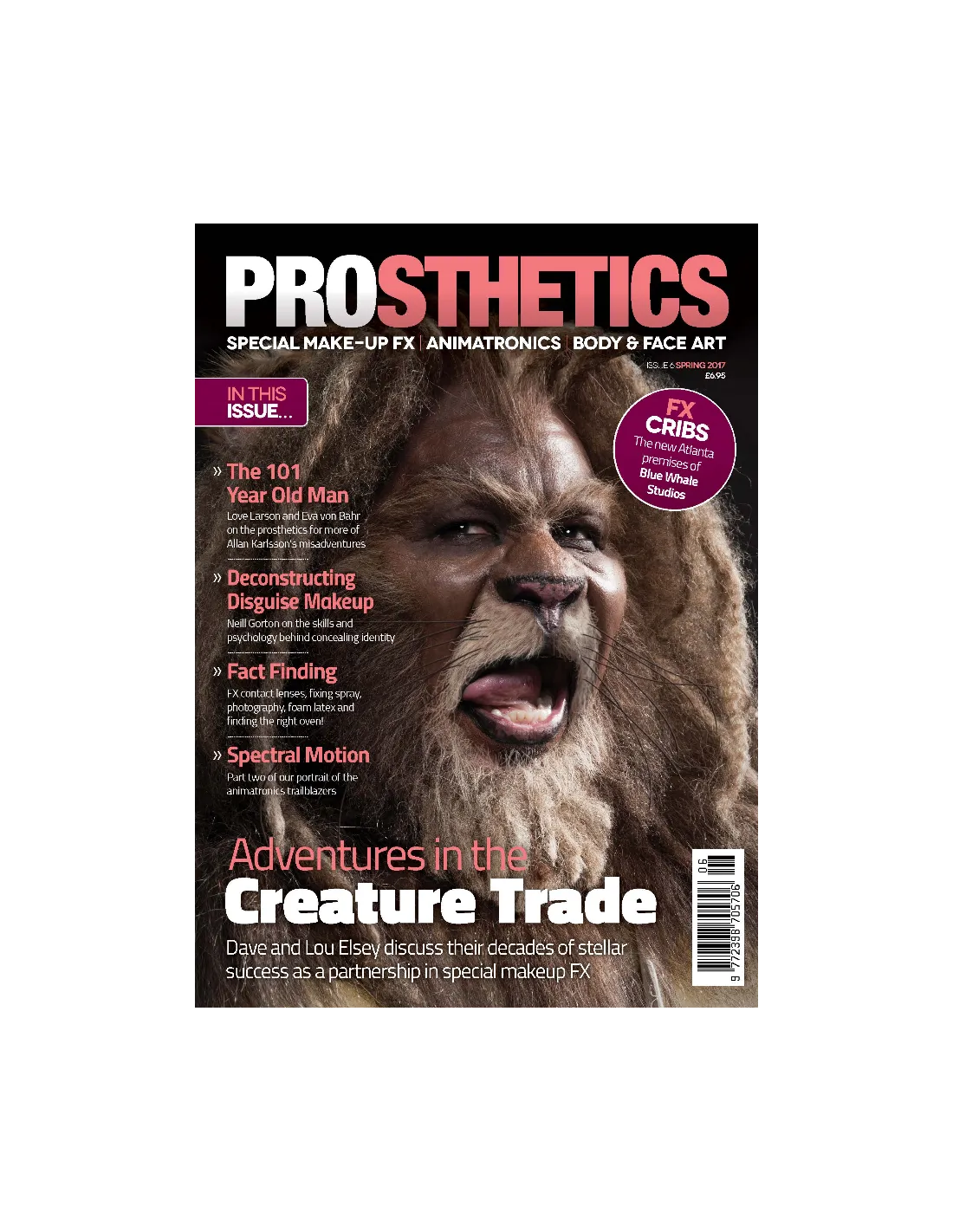
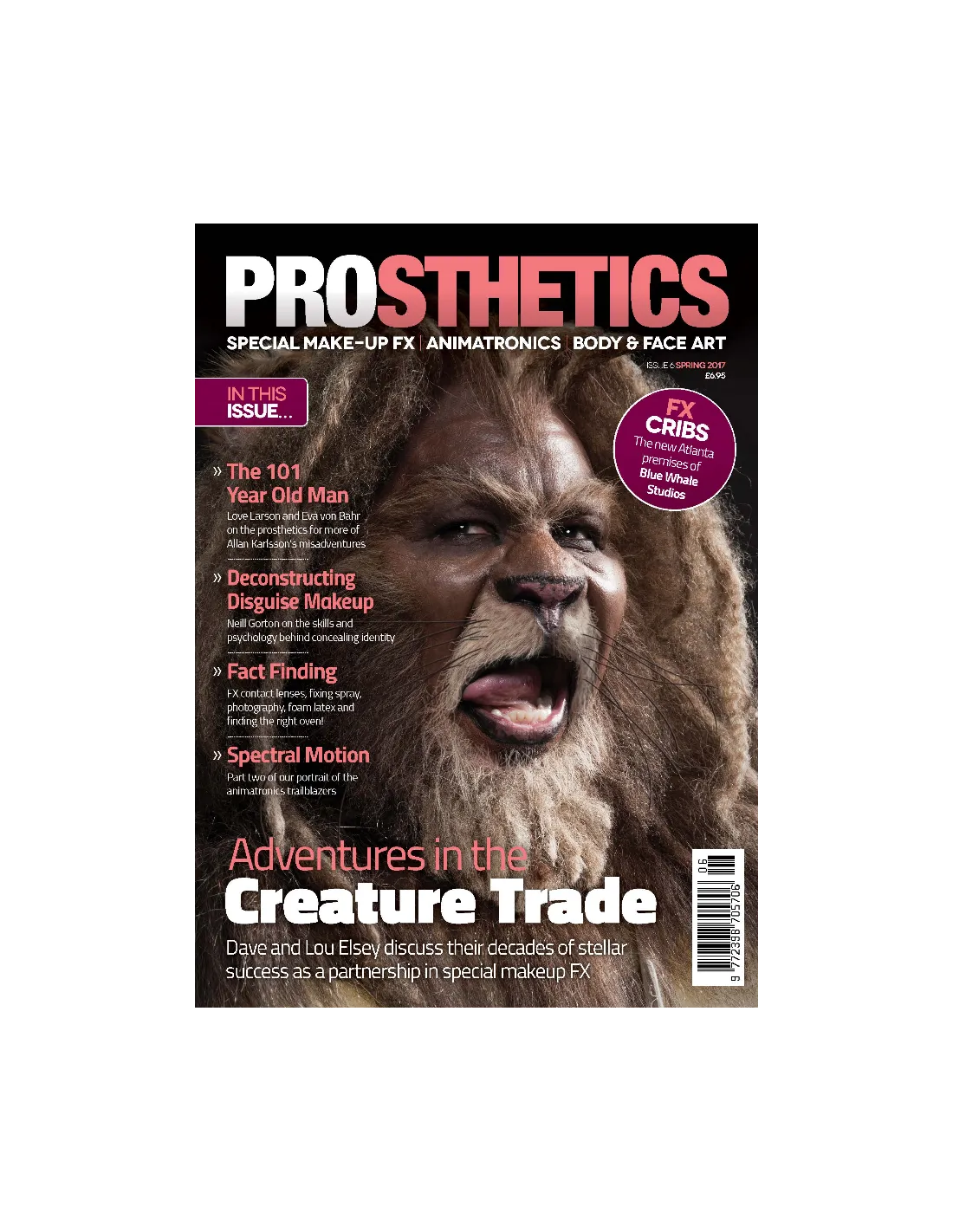
Prosthetics Magazine Nº6
600000007
€10.30
10,71 € Tax incl.
10,71 € Tax incl.
Prosthetics Magazine Issue 6, independent specialist magazine on FX and prosthetics for film and TV. Produced by Neill Gorton.
Prosthetics Magazine is the world's first independent magazine dedicated exclusively to makeup special effects, prosthetics and FX for film and television. Issue 6 is produced by Neill Gorton, internationally acclaimed FX artist and leading reference in professional training for the industry. Whether you work in character makeup, special effects, or simply want to learn from the best, this publication is a source of knowledge that is hard to match.
Contents of Issue 6
| Section | Detail |
|---|---|
| Publication type | Specialist printed magazine on FX and prosthetics |
| Issue | 6 |
| Produced by | Neill Gorton |
| Language | English |
| Main subject | Prosthetics, FX makeup, materials and techniques for film and TV |
| Format | Printed magazine |
What it is used for
Prosthetics Magazine Issue 6 is a training and technical reference tool for professionals and advanced enthusiasts in special effects makeup. Its content covers both the artistic and technical sides of the craft:
- Learning advanced prosthetic fabrication and application techniques for film and television
- Understanding the materials used in real productions: silicones, latex foams, gelatines and resins
- Accessing detailed step-by-step tutorials created by world-class FX artists
- Reading in-depth interviews with professionals from the entertainment and special effects industry
- Keeping up to date with trends, emerging techniques and industry workflows
- Expanding knowledge of character makeup, ageing effects, and wound and trauma effects
- Finding inspiration and reference material for your own FX makeup, theatre or audiovisual production projects
How to get the most out of it
- Browse the index to identify the tutorials and articles that best match your level and current project.
- Read the technical articles on materials before tackling the tutorials: understanding the "why" improves your final results.
- Follow the tutorials with materials to hand; have the mentioned materials ready before you start reading the steps.
- Take notes on the products and techniques recommended by the interviewed professionals so you can replicate them in your workshop.
- Consult the interviews to understand real workflows in film and television productions.
- Complement your reading with the materials available in the Feroca catalogue to practise the techniques described.
Tips for use
Combine reading with hands-on practice
FX magazines deliver their greatest value when used as an active workshop guide. Don't just read it for inspiration: pick a specific tutorial, gather the equivalent materials available to you and work through it in parallel. Theory sticks much better when it is accompanied by immediate practice.
Pay attention to the materials mentioned
The artists and tutorials in Prosthetics Magazine work with professional materials commonly used in the industry: platinum silicones for prosthetics, latex foams, gelatines, quality pigments and makeup adhesives. Feroca distributes materials equivalent or identical to those featured in the pages of this magazine, so you can directly replicate the techniques described.
Use it as a benchmark reference
The content of Prosthetics Magazine is aimed at a professional and semi-professional audience. If you are a beginner, some of the technical articles may feel dense. In that case, start with the visual tutorials and interviews, and progressively incorporate the technical concepts as you advance in your training.
Frequently asked questions
What language is it written in?
Prosthetics Magazine is written entirely in English. It is the reference language in the international FX industry, and the technical vocabulary you will find in its pages is the same used on film and television sets around the world.
Is it suitable for beginners or only for professionals?
The content of Prosthetics Magazine is aimed primarily at professionals and advanced enthusiasts. However, the visual tutorials and interviews are accessible to anyone with an interest in FX makeup. If you are a beginner, you will find plenty of inspiration and techniques that you can gradually incorporate as you gain experience.
What kind of techniques are covered in this issue?
Issue 6 covers prosthetic fabrication and application techniques, FX makeup for film and television, the use of specialist materials such as silicones and latex foams, and step-by-step tutorials by world-renowned artists. It also includes in-depth interviews with industry professionals.
Can I reproduce the techniques from the magazine in my own workshop?
Yes. The techniques described in Prosthetics Magazine use professional materials available on the market. Feroca distributes platinum silicones for prosthetics, latex foams, pigments and other specialist materials that will allow you to directly replicate the processes described in the magazine.
Who is Neill Gorton?
Neill Gorton is one of the most internationally recognised FX artists, with an extensive career in top-tier film and television productions. In addition to his industry work, he is a teacher and trainer of new generations of special effects artists. His involvement in the production of Prosthetics Magazine is a guarantee of the publication's technical rigour and editorial quality.
Where can I learn to use the FX materials mentioned in the magazine?
Feroca offers video tutorials, online courses and in-person workshops to learn how to work with the materials featured in publications like Prosthetics Magazine. It is the ideal complement to move from theory to practice using professional materials.
Are more issues of Prosthetics Magazine published?
Yes, Prosthetics Magazine is a periodical publication. Feroca distributes several issues of the collection. Check the Feroca catalogue to see the available issues and complete your collection.
No reviews
Tap to zoom