Shopping Cart



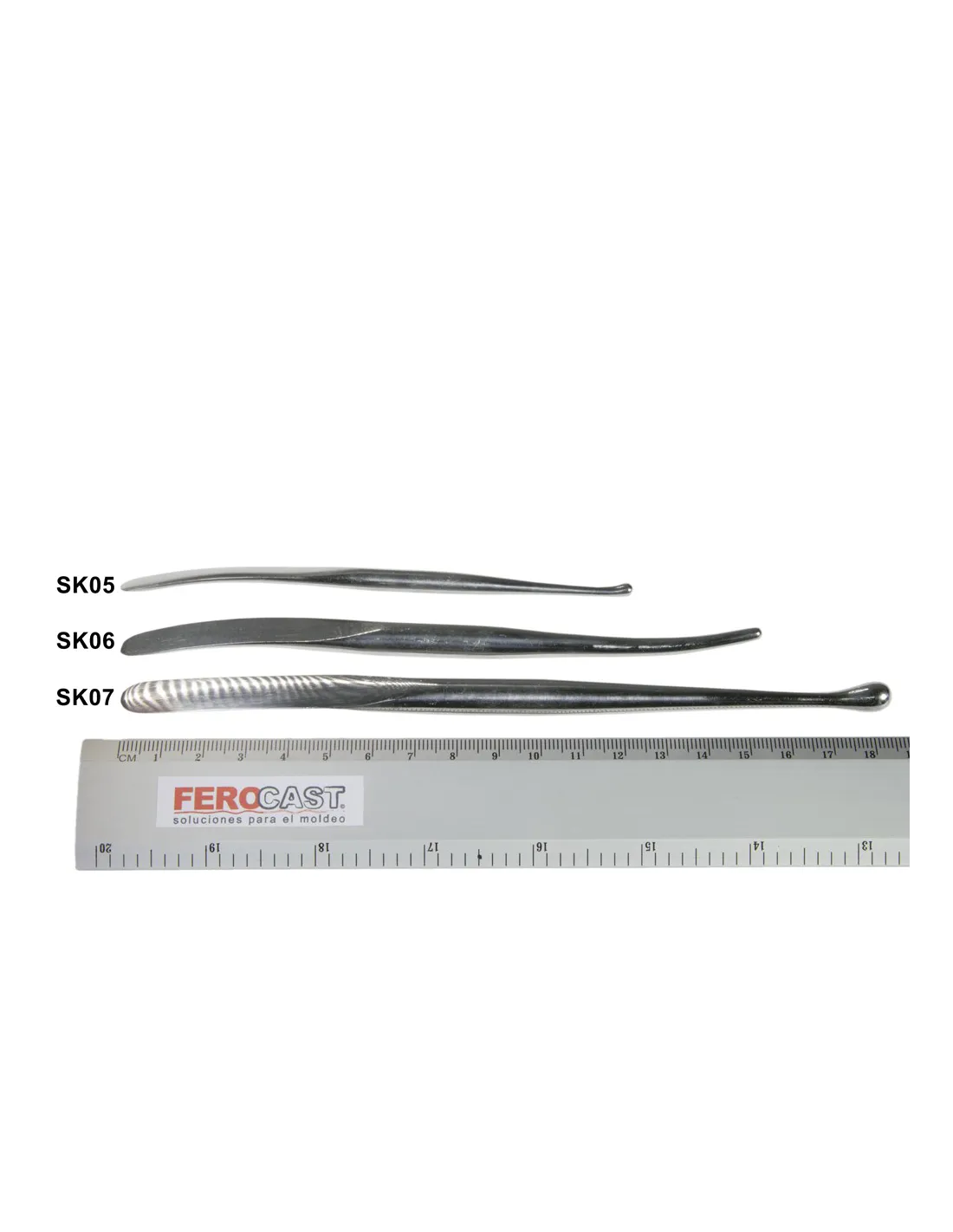
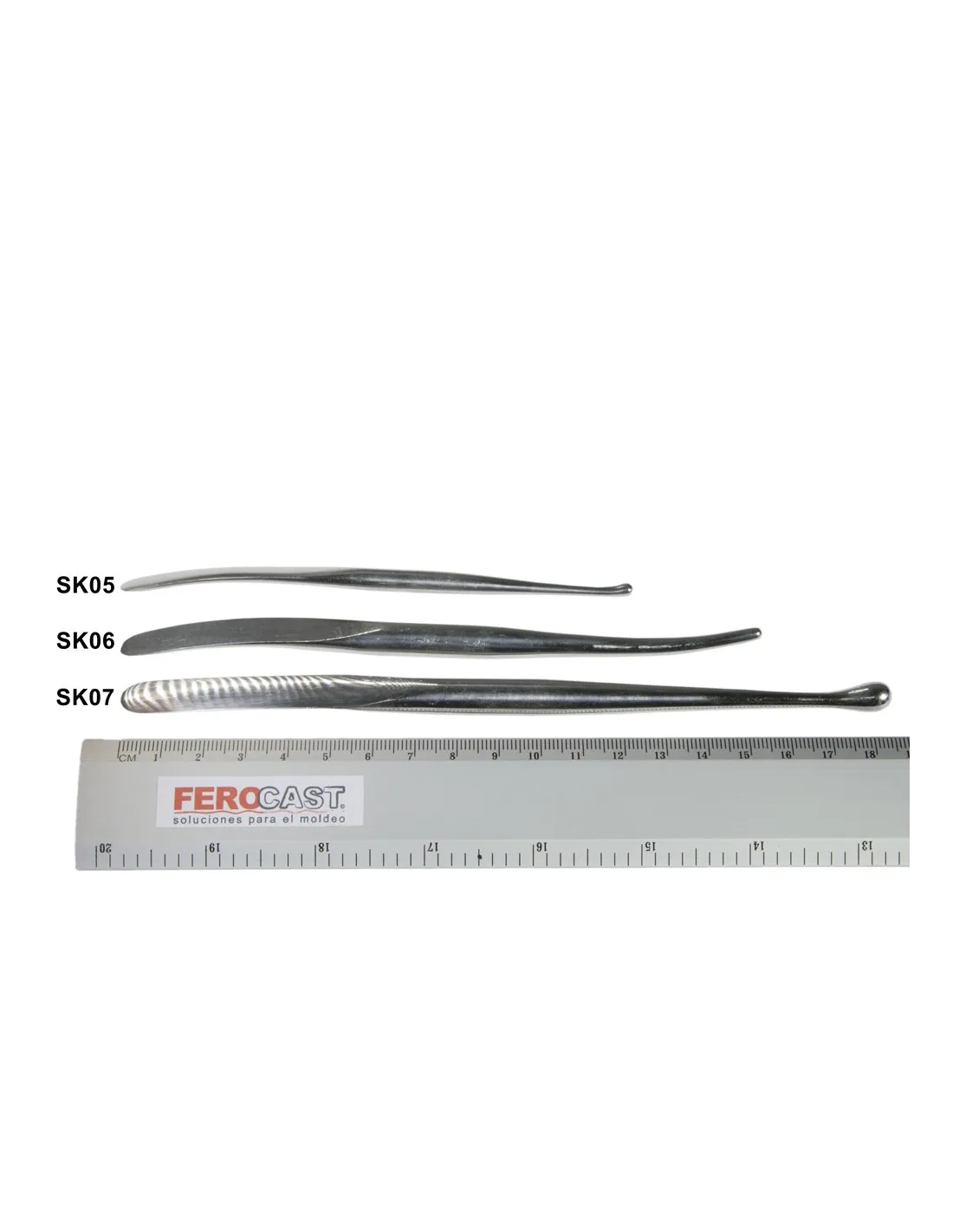
Modeling Sticks SK Series by Tiranti
206803007
Product available with different options
€14.50
17,55 € Tax incl.
17,55 € Tax incl.
Tiranti SK Series professional modelling tools. Precision tools for sculpture and modelling. Sold per unit.
The Tiranti SK Series modelling tools are professional sculpting tools manufactured to the quality standards that characterise this leading British brand. Designed for use with clays, waxes, epoxy modelling compounds and modelling materials in general, they offer the control and precision required by any professional in modelling, special effects or artistic sculpture.
Technical specifications
| Feature | Detail |
|---|---|
| Brand | Tiranti |
| Series | SK |
| Main use | Modelling, sculpture and detailing |
| Compatible materials | Clays, waxes, epoxy modelling compounds, putties |
| Price | Per unit |
What they are used for
Tiranti SK modelling tools are designed for work requiring precision and control in shaping forms, textures and fine details. They are a standard tool in sculpture studios, special effects, animation and artisan prototyping workshops.
- Modelling and detailing of figures in clay, wax and modelling compounds
- Surface texture work on prototypes and sculptures
- Refining and smoothing surfaces prior to moulding
- Character sculpting for special effects and animation
- Engraving and defining lines and shapes in soft materials
- Modelling anatomical and decorative details in fine arts
- Preparation of originals for subsequent resin lamination or silicone moulding
How to use them
- Select the appropriate tip for the type of detail you want to work on: fine tip for lines, rounded tip for smoothing, flat tip for modelling broad planes.
- Work the modelling material at the right temperature or consistency so that it responds well to the tool without sticking or resisting excessively.
- Apply gentle, controlled pressure to define shapes, trace lines or smooth joins between volumes.
- Clean the tool periodically during work to prevent material build-up that reduces precision.
- For repetitive textures, use the tool with rhythmic, even movements across the surface.
- When finished, clean the tools thoroughly with a cloth or solvent appropriate to the material used and store them protected to keep the tips in good condition.
Usage tips
Choose the tip according to the task
Each model in the Tiranti range has a specific tip geometry. The SK tools are oriented towards modelling work with a defined profile; if you need a wider variety of tip shapes, also check the SB, BM and SC series from Tiranti to complete your tool set.
Temperature and material consistency
With oil-based clays or wax, slightly warming the material makes working easier and reduces resistance. With epoxy modelling compounds, always work within the product's pot life so that the tool glides smoothly and does not tear the surface.
Tool maintenance
Clean the tools after each work session. For clays and waxes, a dry cloth or one lightly dampened with mineral solvent is sufficient. Avoid leaving hardened material residue on the tips, as this can scratch delicate surfaces in subsequent work. Store them in a case or with the tips protected.
Frequently asked questions
What types of materials are these modelling tools suitable for?
The Tiranti SK Series tools are compatible with most professional modelling materials: oil-based clays, sculpting waxes, epoxy modelling compounds and soft putties. They are not designed for working fully cured materials or hard surfaces.
How many different tips does each tool have?
Tiranti double-ended tools feature two different tips on each unit, allowing you to alternate between two geometries without changing tools. Check the description of each specific reference to find out exactly which tips are included in the SK Series.
What is the difference between the various Tiranti tool series?
Each Tiranti series groups tools with specific tip shapes oriented towards different tasks: the BM Series, the SB Series and the SC Series have different geometries. The SK Series is designed with its own profile suited to particular types of modelling and detailing. To cover all the needs of a workshop, it is common practice to combine several series.
Can these tools be used with silicone or liquid resin?
These tools are designed for modelling materials in a soft or paste-like state, not for applying liquids. For working with silicones or liquid resins, spatulas, brushes or specific rollers are used, such as the special roller for resin lamination.
How should these tools be cleaned properly?
For clays and waxes, a dry cloth or one lightly dampened with a mild mineral solvent is sufficient. Avoid highly aggressive solvents if the tools have wooden handles or painted finishes. The important thing is to clean them before the material hardens completely.
What should I do if I am unsure which tool from the range to choose?
The Feroca technical team can help you. Write to [email protected] or call 914 481 271 and they will help you select the most suitable tools for your work.
Is the price per unit or per set?
The price shown corresponds to one unit. If you need several tools from the same series or want to combine references from different series, you can add the required units from each product page.
No reviews
Tap to zoom