Shopping Cart


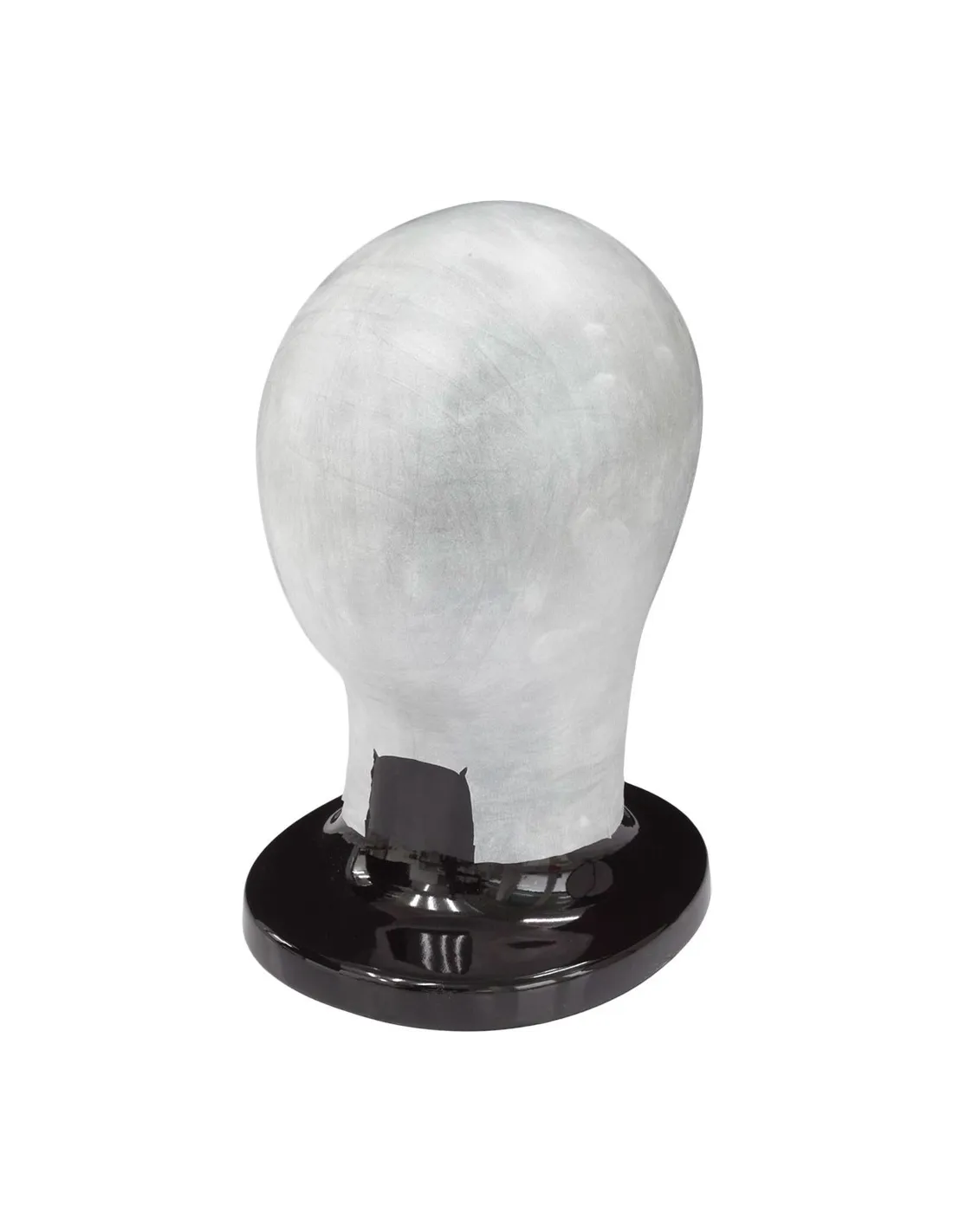
Colorless Glatzan Bald -Calota-
272216001
€22.00
26,62 € Tax incl.
26,62 € Tax incl.
Clear glatzan bald cap made from ultra-thin, durable plastic for special effects. Available in sizes S (54 cm) and L (57 cm). Very fine transition edges.
The clear glatzan bald cap, also known as a bald cap, is a plastic bald cap made from glatzan: an exceptionally thin yet extraordinarily durable material designed for professional character makeup and special effects applications. Its neutral tone and ultra-thin edges allow for a natural integration with the model's skin, enabling virtually imperceptible transitions once makeup is applied.
Technical specifications
| Feature | Detail |
|---|---|
| Material | glatzan (ultra-thin character makeup plastic) |
| Colour / Tone | Clear / neutral skin tone |
| Size S | 54 cm circumference |
| Size L | 57 cm circumference |
| Thickness | Very thin — imperceptible edge transitions |
| Intended use | Character makeup and special effects on live models |
What it's used for
The glatzan bald cap is an essential tool in theatrical, film and television character makeup work. Its lightness and adaptability make it ideal for any production that requires transforming the appearance of a performer's head quickly, safely and convincingly.
- Portrayal of bald characters in theatre, film, television and music videos
- Ageing special effects combined with prosthetics and makeup
- Fantasy or science fiction characterisations requiring smooth or modified heads
- Productions with tight budgets where a fast, reusable, professional-looking solution is needed
- Use in character makeup schools and FX makeup training
How to use it
- Prepare the model's hair: flatten and secure the natural hair as much as possible with a hair net or setting product, so the bald cap sits evenly.
- Fit the size: place the bald cap on the model's head and mark it to trim it according to the actual shape of the skull. Use round-tipped scissors for greater safety.
- Trim the edges: shape the outline with small cuts, creating a thin, irregular edge that eases the transition with the skin.
- Adhere the bald cap: apply a body-safe adhesive starting from the forehead and continue towards the nape. Press firmly and allow a few seconds in each area.
- Secure the sides: carefully glue the temple area and the contour around the ears, making sure there are no wrinkles or lifting.
- Blend the edges: feather the perimeter with thickened latex or with Attagel to create a seamless transition with the skin.
- Apply makeup: apply foundation over the bald cap and surrounding skin to unify the tone. Finish with Fleet Street DirtWorks Powders or other mattifying powders to eliminate shine and add texture and realism.
Usage tips
Choose the right size before cutting
Measure the model's head circumference before you start. Size S (54 cm) is suitable for small or medium heads; L (57 cm) covers larger heads. It is always better to start with the larger size and trim gradually — you can't add material once you've cut too much. Mark the cut line with a dermographic pencil before making any cuts.
The key is in the edges
The success of the bald cap depends almost entirely on the quality of the edge. The thinner and more irregular the outline, the more natural the transition will look. Use manicure scissors or a fine-tipped scalpel to create an almost transparent edge. In some cases, gently heating the edge with a hair dryer on a low setting helps the plastic soften and conform better to the shape of the skull without creating ridges.
Adhesive and finish: don't improvise
Always use adhesives specifically formulated for use on skin. An unsuitable adhesive can cause the bald cap to lift mid-production or irritate the model. For the final finish, set the makeup with loose translucent powder or with Fleet Street DirtWorks Powders to give the appearance of real skin, reduce plastic shine and add dirt or ageing as required by the character.
Frequently asked questions
What size should I choose if I don't know the model's exact head circumference?
If you don't have a tape measure, choose size L and trim to fit. The glatzan bald cap cuts easily and it is always preferable to have extra material. If the model's head clearly measures less than 55 cm in circumference, size S will be sufficient.
Can the bald cap be reused from one production to another?
Yes, if it is removed carefully and the residual adhesive is thoroughly cleaned off. glatzan is a durable plastic that withstands several uses if it is not damaged during trimming or removal. Store it flat or on a head form to prevent it from warping between uses.
Is it possible to paint or apply makeup directly onto the bald cap?
Yes. The glatzan surface accepts standard character makeup foundations well. To improve makeup adhesion and reduce plastic shine, apply a light primer first or use mattifying powders such as Fleet Street DirtWorks Powders as a final finish.
Which adhesive is most suitable for securing the bald cap to skin?
Always use adhesives formulated for body use, such as those used in theatrical or film prosthetics. Avoid general-purpose adhesives not tested on skin — they can cause reactions or fail to hold under stage lighting heat. Check the Feroca catalogue for available character makeup adhesive options.
How is the bald cap removed at the end of the day?
Apply a body adhesive remover or baby oil along the edge of the bald cap and wait a few seconds for the adhesive to soften. Carefully lift the edge from the nape towards the forehead, without pulling abruptly to avoid damaging the model's skin or the bald cap itself if you wish to reuse it.
Can it be combined with latex or silicone prosthetics for more elaborate effects?
Absolutely. The glatzan bald cap is an excellent base onto which forehead prosthetics, scars, warts or any other FX elements can be added. The thin edge of the glatzan facilitates integration with adjacent prosthetics. For piercing and adding synthetic hair in the transition zone, hair rooting needles (rooting needles) are the right tool.
What are rooting needles used for in combination with the bald cap?
Hair rooting needles (rooting needles) allow individual hairs or synthetic fibres to be inserted into the glatzan bald cap to create receding hairline effects, thinning areas, eyebrows or temple hair. This is a standard technique in elderly character makeup or partial baldness effects that require maximum realism.
Is the bald cap suitable for models with a latex allergy?
glatzan itself contains no latex, making the bald cap a safe alternative for models with sensitivity to that material. Bear in mind that if you use thickened latex to blend the edges, you will need to replace it with another solution such as a prosthetic adhesive or skin-compatible acrylic products.
No reviews
Tap to zoom