Shopping Cart



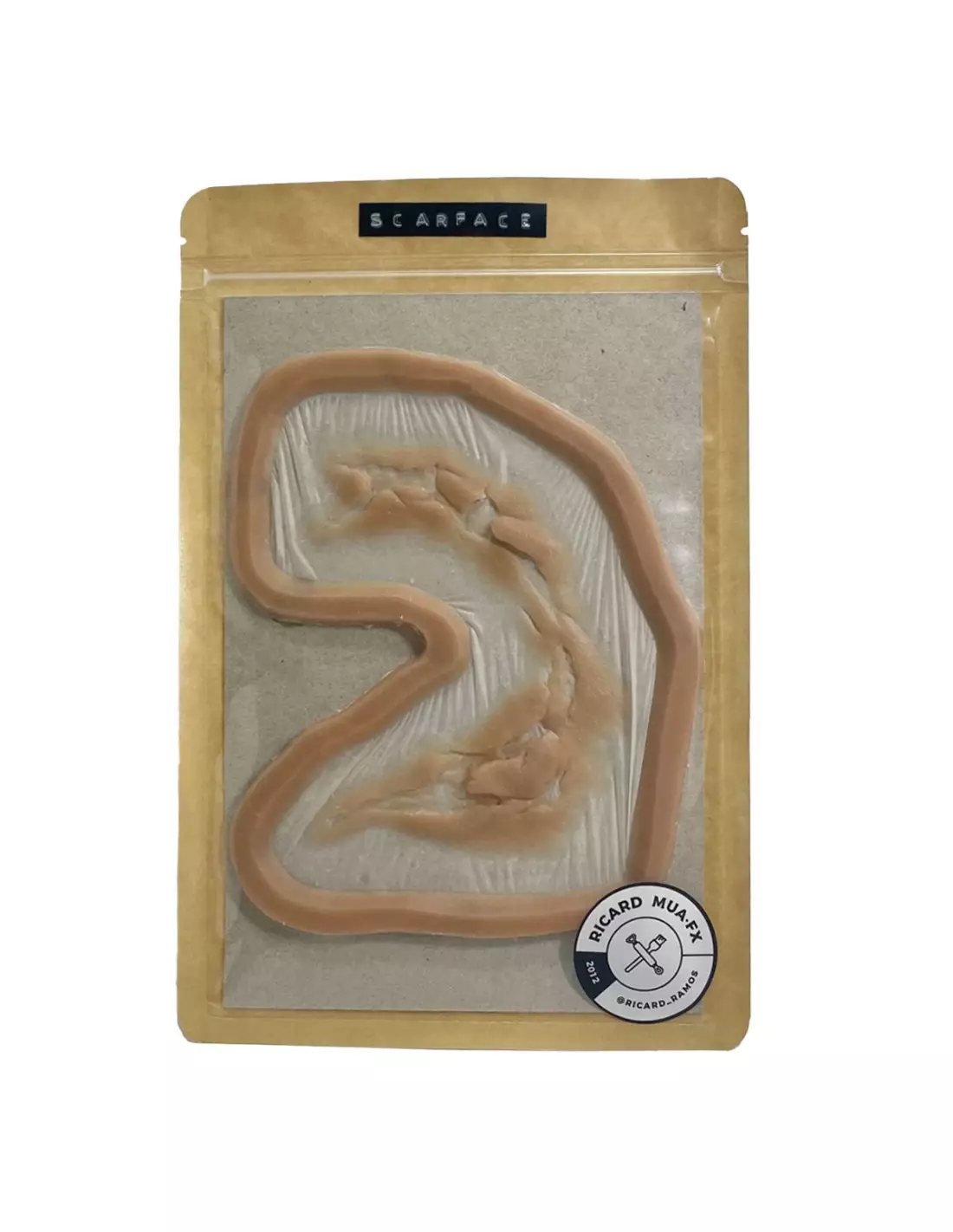
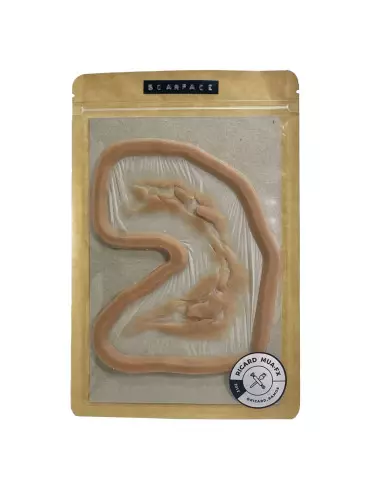
Prosthesis Scarface
221000100
Temporarily out of stock
€25.00
30,25 € Tax incl.
30,25 € Tax incl.
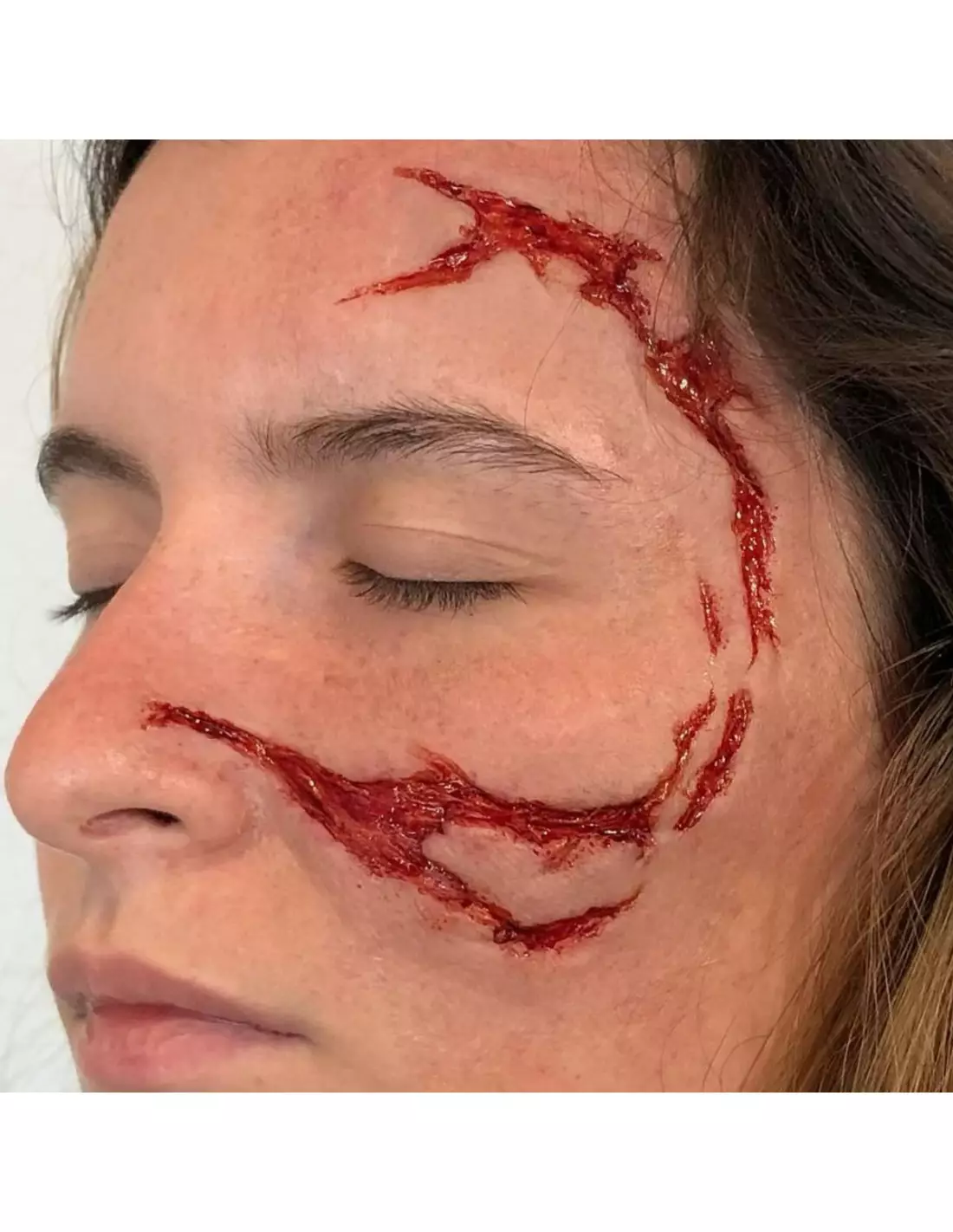
Platinum silicone prosthetic simulating a deep facial laceration. Created by Ricard MUA FX. Ready to apply for film, theatre and cosplay.
The Scarface Prosthetic is a special effects makeup piece that replicates a deep facial laceration with a level of realism that is hard to match. Made from platinum silicone and encapsulated with an acetone Bald Cap, it is designed to adhere safely and comfortably to the skin during long shooting days, performances or events. It is a creation by Ricard MUA FX, designed for both professional special effects makeup artists and demanding enthusiasts looking for cinema-level results.
Technical specifications
| Feature | Detail |
|---|---|
| Base material | Platinum silicone (addition cure) |
| Encapsulation | Acetone Bald Cap |
| Designer | Ricard MUA FX |
| Effect type | Deep facial laceration (Scarface-style scar) |
| Application area | Face |
| Intended use | Film, television, theatre, cosplay, SFX photography |
| Reusable | Yes, with proper handling and cleaning |
| Compatibility | Alcohol-activated makeup, silicone pigments, airbrush |
What it is used for
The Scarface Prosthetic is designed for any production or event that requires an impactful and convincing facial wound effect. Its platinum silicone finish gives it a texture that convincingly mimics skin, both to the touch and on camera. Some of its most common applications:
- Film shoots and television productions requiring high-impact facial wounds
- Theatre and dance performances with special makeup effects
- Horror, thriller or science fiction cosplay
- Artistic photo shoots and dark fashion or SFX editorials
- Halloween events, themed parties and fantasy genre conventions
- Special effects makeup demonstrations and workshops
- Professional training in FX makeup schools and courses
How to use it
- Prepare the skin: thoroughly clean and degrease the facial area where you will apply the prosthetic. Remove any traces of moisturiser, natural oils or previous makeup to ensure good adhesion.
- Positioning test: place the prosthetic dry on the chosen area to check the fit and mark the edges before bonding.
- Apply the adhesive: use a prosthetic adhesive compatible with silicone (such as medical-grade acrylic-based adhesives) on the inner face of the prosthetic and/or on the skin. Allow to activate for the time indicated by the adhesive.
- Bond the prosthetic: carefully position it from the centre outwards, pressing gently to eliminate bubbles and ensure full contact.
- Blend the edges: blend the encapsulation edges using acetone or isopropyl alcohol applied with a fine brush to merge them with the skin. You can use PTM Clear to seal and smooth the transitions.
- Paint and characterise: apply alcohol-activated makeup or silicone pigments to match the skin tone of the actor or model. Add blood, bruise or dirt effects according to the desired look. PTM Light Flesh is ideal for painting and unifying flesh tones on the prosthetic.
- Set the makeup: seal with translucent powder or a compatible setting spray to extend the durability of the effect during the shoot or event.
- Removal: carefully peel off the prosthetic using a gentle adhesive remover. Do not pull forcefully to avoid damaging either the skin or the piece. Clean the prosthetic with water and mild soap or isopropyl alcohol for reuse.
Attention — Platinum silicone: although the Scarface Prosthetic is already manufactured and cured, if you work with platinum silicone in your workshop to create similar pieces or repair prosthetics, remember that this type of silicone is sensitive to inhibition by contact. Materials containing sulphur (such as certain sulphur-based modelling clays), latex, uncured cyanoacrylate adhesives or tin residues can prevent the material from curing correctly. Always work on clean surfaces and wear nitrile gloves, not latex.
Usage tips
Skin preparation for maximum adhesion
The longevity of the prosthetic on the face largely depends on prior preparation. Clean the area with isopropyl alcohol and allow it to dry completely before applying the adhesive. On very oily skin or during long shooting days, apply a thin layer of PTM Clear as a sealing base to improve adhesive grip and extend adhesion.
Perfect edge integration
The Bald Cap encapsulation facilitates integration, but the final finish depends on how you blend the edges. Work with a fine brush soaked in acetone and make short strokes from the edge outwards, never inwards. If an edge lifts at any point, re-bond it with a small amount of adhesive and press for a few seconds. PTM transfers can help you add skin textures around the prosthetic for an even more natural integration.
Storage and reuse
After each use, clean off adhesive residue with a gentle remover that does not contain aggressive solvents. Store the prosthetic in a rigid, flat container, separated from other pieces to avoid deformation. Keep the piece away from direct heat and sunlight. With proper care, a platinum silicone piece can be reused multiple times without losing fidelity or finish quality.
Frequently asked questions
Is it safe for sensitive skin?
Cured platinum silicone is a material widely recognised for its biocompatibility and low rate of allergic reactions. The Scarface Prosthetic is made from this material, making it suitable for most skin types. However, if you have very sensitive skin or a history of allergies, always perform a patch test with the adhesive you plan to use before full application.
How many times can a silicone prosthetic be reused?
It depends on the care taken during application and removal. A well-maintained platinum silicone prosthetic can be reused between 5 and 15 times or more. The factors that most degrade it are the use of aggressive solvents when cleaning, pulling forcefully when removing it, and storing it incorrectly. With proper care, the Scarface Prosthetic retains its shape and detail through many uses.
What type of makeup is used to paint a silicone prosthetic?
Platinum silicone prosthetics require specific makeup products, as conventional products do not adhere well to silicone. The most common approach is to use alcohol-activated makeup, special silicone pigments or an airbrush with compatible inks. PTM Light Flesh is a great option for unifying and toning the flesh tone of the prosthetic before applying additional effects.
What adhesive should I use to bond the prosthetic to the skin?
For Bald Cap-encapsulated prosthetics, medical-grade acrylic-based adhesives or adhesives specifically designed for silicone prosthetics are the most recommended. Apply in thin layers, allow to become tacky before positioning the prosthetic, and press firmly to ensure full contact. Consult your professional makeup supplier for the most suitable adhesive based on shooting conditions (perspiration, heat, duration).
Can I use the prosthetic outdoors or in heat?
Yes. Platinum silicone is stable at temperatures above those reached under normal shooting or event conditions. However, intense heat and perspiration can affect the adhesive, not the prosthetic itself. In extreme heat conditions, use high-strength adhesives and apply setting powders to reduce shine and moisture in the prosthetic area.
How do I achieve a seamless integration between the prosthetic and the skin?
The key lies in edge preparation and makeup application. Blend the encapsulation with acetone applied using a fine brush, match the tone with alcohol-activated makeup and add textures with a sponge or airbrush. PTM transfers on A4 paper allow you to add printed skin textures around the prosthetic to achieve an imperceptible transition.
Can I apply it myself without being a professional makeup artist?
The Scarface Prosthetic is designed to be accessible to advanced users without formal professional training. With some practice and by following the application steps correctly, it is possible to achieve very convincing results. That said, if this is your first time with this type of prosthetic, we recommend practising the application and edge blending before the day of the shoot or event so you can approach it with confidence.
What should I do if the prosthetic comes loose during filming?
If an edge lifts mid-shoot, apply a small amount of adhesive under the lifted area using a fine brush, wait for it to activate and press gently. Avoid adding too much adhesive at once, as it can create visible build-up. If it comes off completely, remove, clean and re-bond following the full process. Carrying spare adhesive on set is standard practice for SFX makeup teams.
No reviews
Tap to zoom